
About
Dallas exhibit planning guided by venue discipline, schedule control, and repeat-show value.
Expo Stand Builders of Dallas focuses on exhibit programs that can hold up under venue pressure, tight deadlines, and the practical demands of live events across Dallas-Fort Worth.
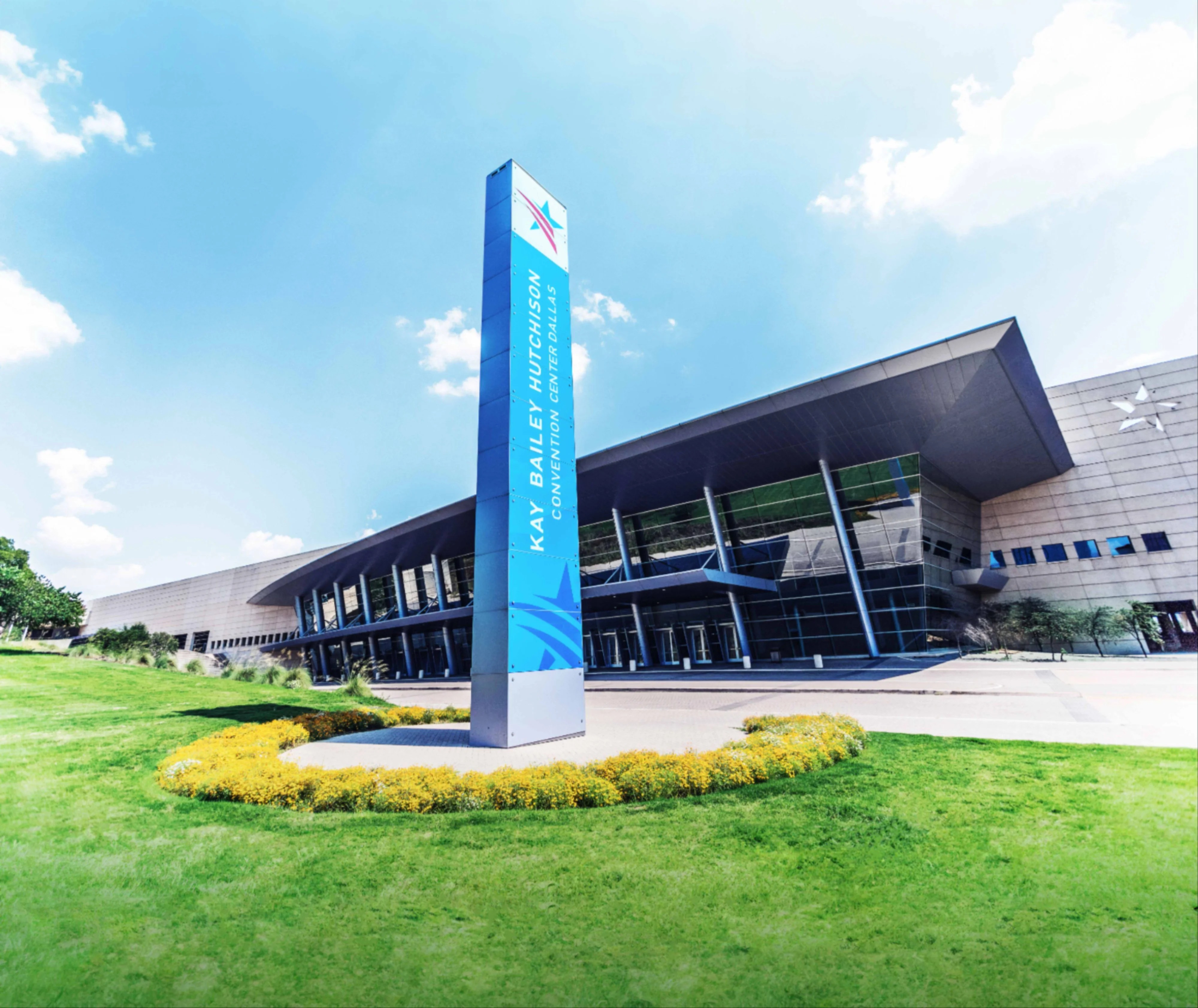
An exhibit business formed by how events actually run
Expo Stand Builders of Dallas is centered on the practical work that determines whether an exhibit launches cleanly and still holds value after the first show closes. Booth strategy, graphics production, freight timing, labor planning, material handling, AV readiness, venue approvals, and show-site supervision all need to operate as one sequence. When they do, the exhibit feels calmer on the floor and leadership has a clearer reason to approve the spend.
That approach matters in Dallas-Fort Worth because one program may move from a downtown convention center to a resort property, a sponsor activation, or a private conference venue inside the same quarter. Each environment changes loading, utilities, audience flow, staffing, and the amount of visual emphasis the exhibit should carry. A serious exhibit partner has to respond to those differences without losing control of timing or cost.
The work therefore begins with the event conditions rather than generic promises. Teams need to know how the room behaves, what the calendar will tolerate, which assets should be reusable, and where the biggest operational risks sit before fabrication or rentals are finalized. That kind of discipline reduces guesswork and makes later approvals easier to defend.
Why venue fit drives better exhibit decisions
Venues do more than host the event. They influence freight paths, dock congestion, labor sequencing, utility ordering, ceiling restrictions, hospitality rules, and the way visitors experience the exhibit. Ignoring those conditions early usually leads to rushed changes later, and rushed changes tend to cost more while delivering less.
A stronger plan ties the exhibit format directly to the room. Some Dallas venues reward open circulation and broad brand visibility, while others need more compact footprints, private conversation areas, or disciplined AV integration. The right environment is the one that fits the room and supports the intended commercial outcome without loading the project with unnecessary complexity.
This is also where schedule control begins. Once the venue requirements are visible, the team can map drawings, graphics, rentals, electrical orders, labor calls, and freight release dates around real deadlines instead of broad assumptions. That protects both the budget and the opening date.
How booth strategy connects to operations
A trade show exhibit is a working environment for sales conversations, product demos, hospitality, executive meetings, and brand presentation. Every strategic choice inside the booth affects operations. The first headline changes traffic. Storage changes staffing comfort. AV changes power and cable planning. Hospitality changes furniture, refrigeration, and housekeeping needs.
The better approach is to make those decisions in one sequence. Define the audience, set the message order, choose the format, confirm the venue rules, and then move into fabrication, graphics, logistics, and field supervision. That order keeps the exhibit from looking finished on paper but fragile in real use.
Dallas teams benefit from that approach because event calendars here can tighten quickly. When marketing, operations, procurement, and leadership can see the same decision path, the project moves faster and avoids the kind of scope drift that creates avoidable stress in the last weeks before move-in.
The role of labor, freight, and field leadership
Exhibits are often won or lost in the last stretch before opening. Freight must arrive in sequence, labor crews need accurate scopes, supervisors need clean crate logic, and the exhibit has to be checked thoroughly before staff begins using it. None of that happens well by accident. It requires attention to timing, communication, and ownership.
Field leadership is especially important when an exhibit carries custom fabrication, LED features, product demos, or hospitality functions. Small issues such as damaged graphics, shifted power locations, or a delayed crate can force last-minute compromises if no one is responsible for keeping the sequence under control. Strong show-site supervision protects the opening impression and keeps problems from spreading.
The same discipline matters during dismantle. Hardware tracking, outbound shipping, storage preparation, and refurbishment notes all affect how much value the organization gets from the exhibit after the event. A serious exhibit business plans for those moments as carefully as it plans for launch.
Why repeat-show value matters
Most organizations do not stop after one event. They need a system that can support regional shows, national conventions, conferences, client events, and executive appearances across the year. That makes reuse strategy a central business issue. Crates, modular structures, rental combinations, replacement graphics, and warehouse handling all influence how well the investment performs over time.
The strongest Dallas programs are built so the team can keep the best parts of the exhibit consistent while adapting other elements for venue size, audience mix, or campaign timing. That balance protects brand quality without forcing a full rebuild every time the calendar changes.
Long-term value also depends on documentation. Electrical plans, packing notes, graphic specs, inventory records, and service histories help future events start from a position of control. Organizations that manage those details well usually see smoother execution and stronger cost discipline over the full season.
What clients can expect from the Dallas approach
Clients can expect a conversation grounded in real exhibit work. That means talking through the venue, the dates, the footprint, the staffing model, the creative priorities, the level of support needed on site, and what the organization wants to reuse after the event. Clear answers to those questions shape better decisions than broad promises ever could.
They can also expect practical guidance on tradeoffs. Not every project needs more structure, more AV, or more custom fabrication. Some need a lighter system with disciplined graphics and sharper staffing. Others need a stronger physical presence because the room, the audience, and the event outcome demand it. The right solution comes from fit, not habit.
Above all, clients should expect steadier execution. When the exhibit is planned around venue realities, schedule pressure, stakeholder coordination, and the full life of the booth after move-out, the project is better positioned to deliver a strong event and a stronger return on the investment that made it possible.