
Industries / Technology Trade Show Services: Comprehensive DFW Exhibit Planning
Technology Trade Show Services: Comprehensive DFW Exhibit Planning
Navigate the complexities of showcasing cutting-edge technology at Dallas-Fort Worth trade shows with precise coordination of booth infrastructure, venue utilities, and logistics tailored to high-performance demos and interactive displays.
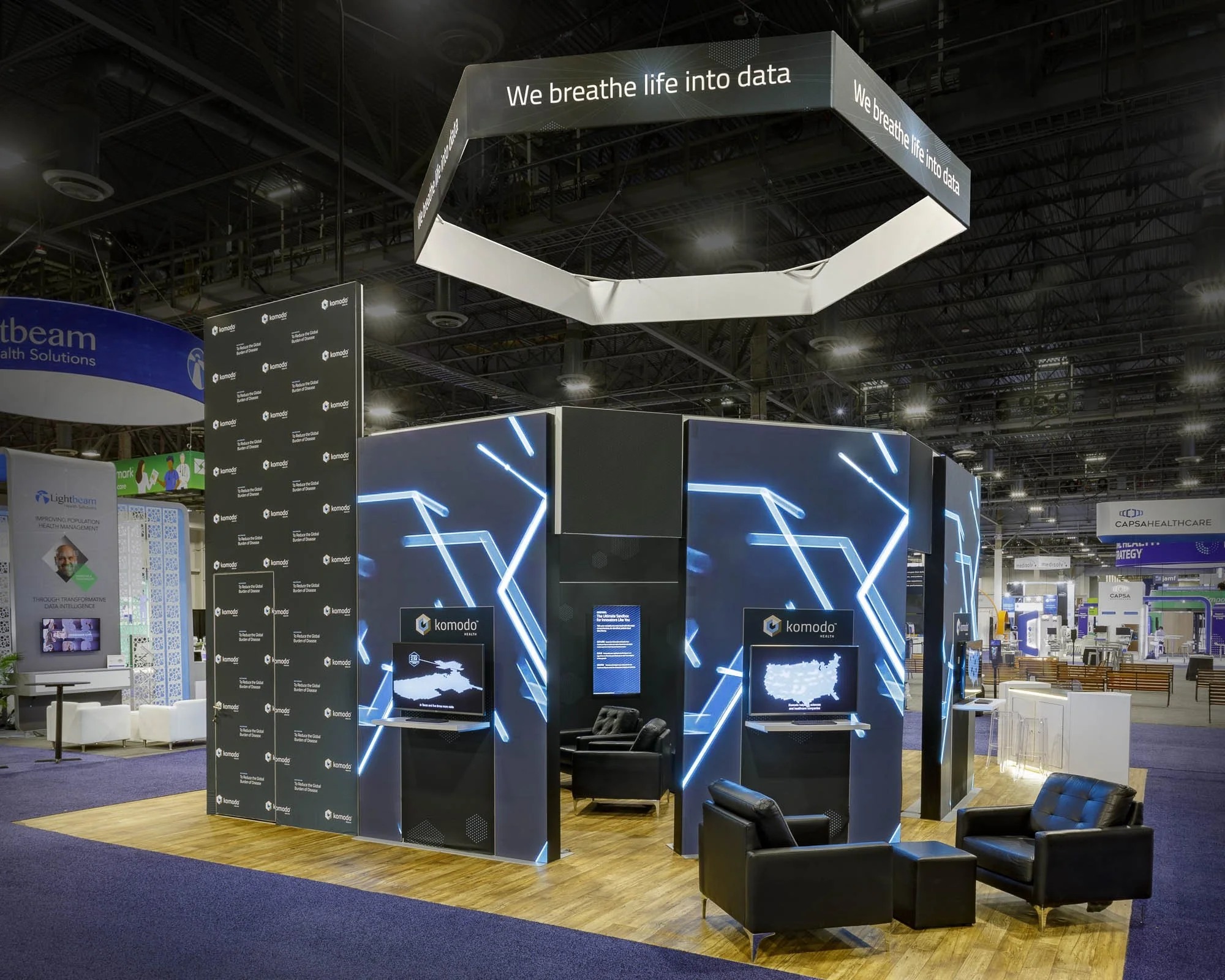
Electrical Infrastructure Coordination for Tech Demos
Delivering reliable power is paramount for technology trade shows, where booths often run multiple high-draw elements like 4K video walls, simulation rigs, and edge computing units simultaneously. At facilities such as the Kay Bailey Hutchison Convention Center Dallas, exhibitors access structured utilities ordering processes outlined in dedicated exhibitor resources, allowing pre-event specification of amperage levels from standard 20-amp circuits up to specialized high-voltage feeds suitable for industrial-grade tech reveals. This forward planning mitigates risks of brownouts during critical unveiling moments, ensuring that SaaS platforms, cybersecurity tools, and IoT devices perform without interruption in front of industry decision-makers.
Venue service partners at the Kay Bailey Hutchison Convention Center Dallas handle the distribution of these electrical services, requiring exhibitors to submit detailed booth plots well in advance to match floor conduit locations precisely. For technology setups involving mobile charging stations or always-on analytics dashboards, coordinators recommend surge-protected distributions with backup generators on standby, particularly in larger halls where shared power grids experience variable demands from neighboring exhibits. This layered approach not only complies with safety protocols but also enhances demo uptime, critical for capturing leads in competitive sectors like fintech and biotech hardware.
Extending to spaces like Dallas Market Hall, electrical planning adapts to exhibition-hall dynamics where overhead truss systems support additional lighting for product spotlights, demanding integrated load calculations. Technology firms benefit from consulting venue directories early to bundle power with adjacent services, streamlining budgets while fortifying setups against the rigors of multi-day events.
Logistics and Dock Access for High-Value Freight
Shipping sensitive technology assets to DFW venues necessitates meticulous dock scheduling, as outlined in exhibitor protocols at the Kay Bailey Hutchison Convention Center Dallas, where dedicated loading bays accommodate tractor-trailers carrying crated monitors, fiber optic cabling, and rack-mounted servers. Advance dock reservations synchronize arrival times with installation windows, preventing congestion from concurrent move-ins and safeguarding equipment from prolonged exposure in staging areas. For tech exhibitors, this means prioritizing climate-controlled trailers to preserve calibration on sensors and optics during cross-country hauls.
Dallas Market Hall and similar directories emphasize efficient freight handling, with coordinators advising segmented deliveries—high-priority items first—to enable rapid uncrating near booth sites. Technology services extend to customs coordination for international components, ensuring all gear clears inspection before dock entry, thus aligning with tight I&D schedules that span 24-48 hours pre-show.
The Fashion Industry Gallery offers nuanced logistics for smaller-scale tech pop-ups, where pallet jacks suffice over full forklifts, but still require pre-booked slots to interface with adjacent events. Comprehensive planning incorporates tracking manifests tied to venue service partners, providing real-time visibility from origin to exhibit floor.
Connectivity and Data Services Integration
High-speed internet underpins technology trade shows, powering live app demos, visitor badge scans, and remote expert feeds essential for engaging audiences at DFW venues. The Kay Bailey Hutchison Convention Center Dallas exhibitor utilities section details options from basic Wi-Fi boosts to dedicated Ethernet drops, crucial for bandwidth-intensive tasks like 360-degree product scans or multiplayer VR collaborations without lag.
Service partners facilitate custom bandwidth provisioning, with exhibitors specifying upload/download thresholds matched to booth traffic forecasts. For cybersecurity firms or cloud providers, VPN tunneling through venue firewalls ensures secure data flows, while redundant lines guard against outages in shared hall environments.
In convention hotels like the Omni Dallas Hotel, connectivity blends exhibit needs with meeting room extensions, demanding hybrid setups where tech booths link to hospitality networks smoothly.
AV and Rigging Specifications for Immersive Exhibits
Technology booths leverage advanced AV to immerse visitors, from curved LED canvases narrating software evolutions to spatial audio enveloping hardware tours. Venue rigging guidelines at the Kay Bailey Hutchison Convention Center Dallas govern truss heights and point loads, enabling safe suspension of projectors and light bars over island booths.
Coordinators align AV schematics with floor plans early, incorporating fly bars for dynamic reveals that sync with booth narratives. Dallas Market Hall supports ground-stacked arrays for cost efficiency in mid-sized tech showcases.
Fashion Industry Gallery setups favor portable rigging for quick reconfigurations, ideal for agile startups iterating demos mid-event.
Venue-Specific Adaptation Strategies
The Kay Bailey Hutchison Convention Center Dallas sets the benchmark with its comprehensive exhibitor framework, where technology services tailor to 1 million square feet of adaptable space supporting everything from startup pitches to enterprise pavilions. Utilities and docks integrate fluidly, but demand precise advance orders to lock in optimal positions amid high exhibitor volumes.
Dallas Market Hall excels for mid-tier tech events, its exhibition-hall format favoring open layouts for collaborative demo zones, with logistics streamlined through central directories. The Fashion Industry Gallery provides boutique flexibility for niche tech like wearables, where intimate scales amplify interactive elements without vast infrastructure.
Convention hotels such as Omni Dallas Hotel and Hyatt Regency Dallas extend tech exhibits into hospitality contexts, blending booth tech with ballroom projections for hybrid formats.
Installation and Operational Timelines
Tech exhibit builds adhere to rigorous timelines, starting with dock-unload phases post-freight cutoff, progressing to frame erection, cabling, and full-system tests before public hours. At the Kay Bailey Hutchison Convention Center Dallas, service partner coordination enforces move-in sequences to minimize conflicts.
Dismantle mirrors this efficiency, with tech prioritized for swift pack-out to protect valuables during egress rushes. Planners build buffers for software tweaks and firmware updates on-site.
Budgeting and Risk Mitigation for Tech Setups
Cost modeling for technology trade shows factors venue utilities at scale, with high-amp services commanding premiums offset by bulk rigging rentals. Early service partner bids at Kay Bailey Hutchison Convention Center Dallas refine estimates, incorporating contingencies for overtime labor during extended demos.
Risk protocols cover equipment insurance riders for transit perils, plus on-site redundancies like spare GPUs for failover. This holistic budgeting sustains ROI through uninterrupted showcases.
Questions buyers ask first
How do exhibitors order utilities at Kay Bailey Hutchison Convention Center Dallas?
Exhibitors consult the dedicated utilities section in venue resources, submitting orders via service partners to specify power, data, and ancillary needs aligned with booth footprints well before move-in dates.
What dock procedures apply for technology freight deliveries?
Facilities like Kay Bailey Hutchison Convention Center Dallas require advance dock reservations through exhibitor portals, prioritizing time slots to handle crated electronics efficiently during peak periods.
Can technology booths incorporate overhead rigging in DFW venues?
Yes, subject to engineering approvals outlined in venue exhibitor guidelines, ensuring safe integration of trusses for lights, screens, and projections across convention centers and halls.
How to ensure reliable internet for live tech demos?
Leverage venue service partners to provision dedicated lines or bandwidth upgrades, specifying requirements based on expected concurrent users and data throughput for smooth performance.
What adaptations are needed for hotel-based tech exhibits?
Convention hotels like Omni Dallas Hotel integrate booth tech with event spaces via their directories, focusing on portable setups compatible with hospitality power and AV norms.
How far in advance should tech booth plans be submitted?
Minimum 30-60 days prior per venue protocols, allowing service coordination for utilities, docks, and compliance in high-demand DFW facilities.
Related topics
Continue with the Dallas topics closest to the current scope.
Start here
Expo Stand Builders of Dallas
Full-service exhibit programs with design, fabrication, logistics, venue-aware planning, and show-floor accountability across Dallas-Fort Worth. Share the venue, dates, footprint, and the part of the scope that still needs to be solved.