
Locations / Frisco TX Trade Show Planning and Exhibit Coordination
Frisco TX Trade Show Planning and Exhibit Coordination
Authoritative guidance for coordinating exhibits and activations in Frisco as a distinct northern DFW venue cluster.
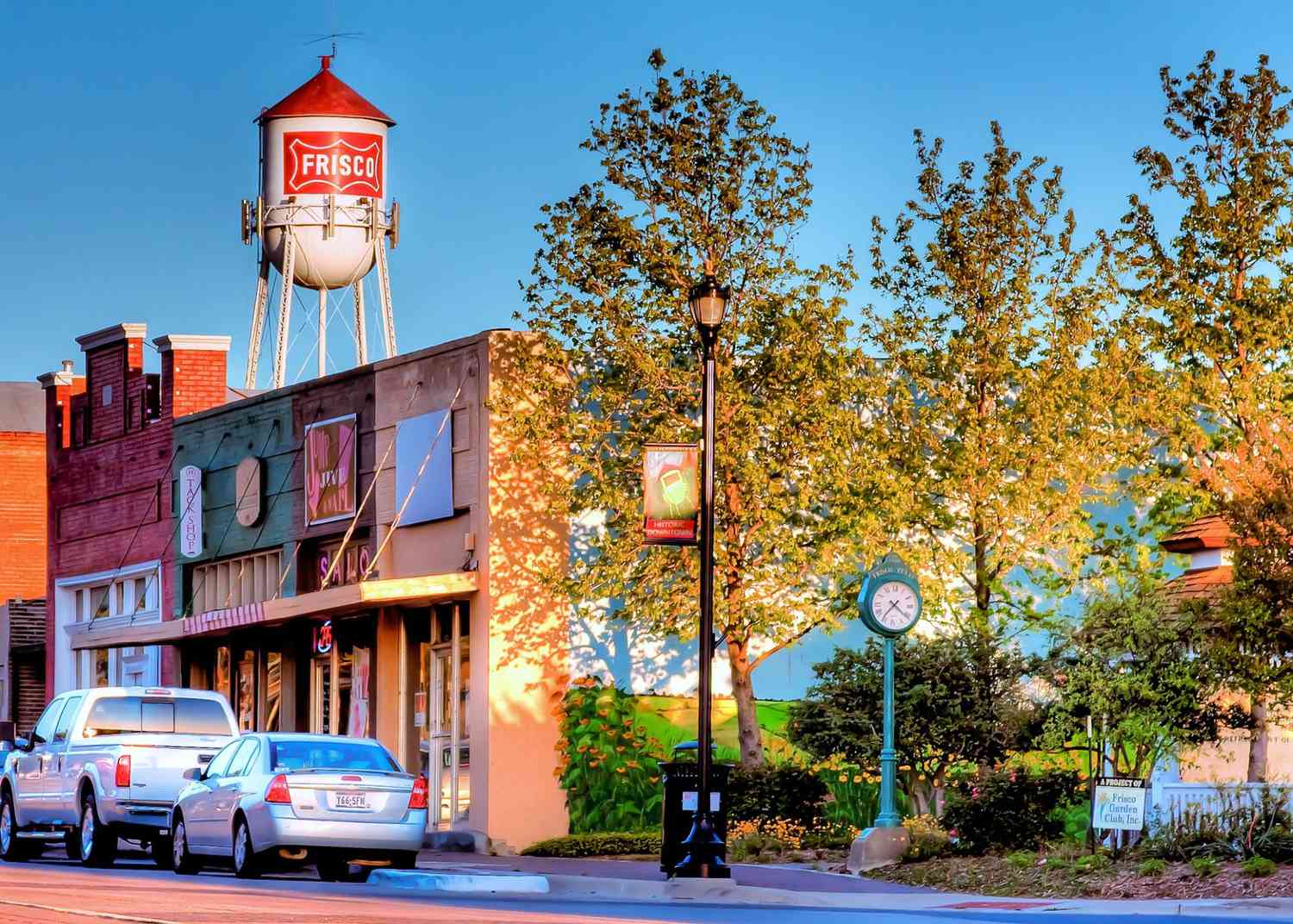
Frisco's Role Within the Larger DFW Event Ecosystem
The Dallas-Fort Worth metroplex encompasses multiple distinct venue clusters, each with unique operational rhythms. Frisco functions as a key suburban corporate and sports node capable of hosting mid-scale conferences, product launches, and specialized exhibitions that complement rather than compete with the larger facilities in central Dallas or Arlington. Its inclusion among recommended locations underscores the realistic support for shows, activations, and full Install and Dismantle cycles across the region.
Event planners must view Frisco through the lens of northern corridor logistics rather than assuming the same load-in docks, union rules, or utility grids found at the Kay Bailey Hutchison Convention Center. This differentiation prevents scheduling conflicts and ensures materials arrive in sync with venue access windows typical of growing suburban markets.
By treating Frisco as its own planning unit, coordinators gain the ability to optimize for attendee demographics drawn from nearby corporate headquarters and regional sports tourism, creating more targeted exhibit experiences that leverage the full breadth of DFW resources without overlap into unrelated municipal requirements.
Logistics Coordination for Northern DFW Suburban Venues
Moving exhibits into Frisco demands precise scheduling that accounts for travel times from primary Dallas production and staging areas through regional highways and connectors. Unlike events at Dallas Market Hall or the Fashion Industry Gallery, Frisco locations often involve corporate park or dedicated meeting facility layouts that prioritize attendee parking and controlled delivery zones over large-scale dock operations.
Successful coordination involves mapping out carrier routes that avoid peak commuter hours in the northern sector while ensuring compliance with general DFW material handling expectations. Planners should prepare contingency timing for the last-mile segment into Frisco, recognizing that this corridor experiences different traffic patterns than routes serving Fort Worth or Grapevine.
The authoritative approach focuses on documentation, advance approvals, and sequenced handoffs between regional partners. This method maintains control over the exhibit program even when operating outside the immediate convention center districts, preserving budget predictability across multiple event days.
Venue-Specific Considerations in the Frisco Cluster
Frisco venues, as documented through official meeting and event resources, present spatial and technical parameters that reward advance review. Ceiling heights, column spacing, and utility distribution in these facilities often suit mid-sized corporate exhibits and interactive activations better than the expansive halls found in central Dallas. This creates opportunities for designs that emphasize engagement over sheer scale.
Operational context in Frisco also includes attendee flow from adjacent business districts and sports venues, requiring exhibits that guide traffic efficiently within more compact footprints. Planners coordinate these elements by cross-referencing floor plans against the broader DFW utility standards while noting any deviations typical of suburban conference settings.
Differentiation from Plano or Allen requires acknowledging Frisco's particular blend of professional and leisure tourism. Exhibits that successfully activate in this environment integrate digital components and modular structures that can be reconfigured based on daily attendance fluctuations common to the northern market.
Exhibit Design Strategies Optimized for Frisco Audiences
Designs for Frisco events perform best when calibrated to corporate and sports-adjacent demographics rather than the broad trade show audiences typical of larger Dallas conventions. This means prioritizing interactive zones, technology touchpoints, and flexible branding that can adapt to varying daily attendance driven by local business calendars.
Modular systems that support rapid reconfiguration offer practical advantages in venues where move-in windows may be narrower than those at the Kay Bailey Hutchison Convention Center. Attention to lighting, sight lines, and acoustic considerations helps ensure the exhibit communicates effectively within Frisco's architectural styles.
Coordination resources emphasize early alignment between graphic messaging, structural engineering, and the technical capabilities documented for Frisco-area facilities. This prevents last-minute adjustments and supports consistent brand presentation across a regional event series that may alternate between Frisco and other DFW nodes such as Addison or Richardson.
Timeline Management for Install, Operation, and Dismantle
Frisco events require timeline construction that respects the distinct pacing of suburban venues compared to the continuous operations at major Dallas or Irving facilities. Install sequences must incorporate travel buffers from central staging areas, while dismantle planning coordinates with regional carrier availability to prevent storage conflicts across the DFW area.
Best practice involves building in review checkpoints with venue management well ahead of load-in, ensuring all documentation for utilities, access, and waste removal aligns with established DFW service partner protocols. This structured approach reduces variables even when events occur outside primary convention corridors.
For recurring programs, historical timing data from similar northern cluster activations helps refine future schedules. Planners use these patterns to forecast labor windows, material movement, and post-event reporting without relying on assumptions about any single municipality.
Budgeting and Resource Allocation Across DFW Clusters
Allocating resources for Frisco requires separating it from budgets developed for Arlington entertainment venues or Fort Worth stockyards activations. Factors such as transportation distance from Dallas hubs, potential need for supplemental power planning, and attendee amenity requirements unique to suburban corporate settings all influence final costs.
A coordinated planning model examines the entire regional program to identify efficiencies, such as reusing modular components across Frisco and neighboring cities like McKinney or Lewisville while adjusting only for site-specific graphics or configurations. This avoids duplication and maintains fiscal control.
Long-range budgeting also considers the growth trajectory of Frisco as a conference destination. Resources dedicated to research and documentation in the current cycle yield measurable returns when scaled to future events that continue blending sports tourism with business exhibitions in the northern DFW sector.
Technology Infrastructure and Digital Integration
Frisco venues typically feature modern connectivity that supports robust digital exhibit components, from live streaming to interactive data collection. Planning these elements involves confirming bandwidth and power availability during the initial site review phase rather than assuming uniformity with downtown Dallas infrastructure.
Successful integrations tie physical booth architecture to digital back-end systems that can be monitored remotely, providing real-time metrics even when coordination teams reference multiple DFW locations. This capability is particularly valuable for exhibitors running parallel programs in Frisco and the Kay Bailey Hutchison Convention Center or Dallas Market Hall.
Attention to data security, guest network protocols, and AV compatibility completes the technology picture. By addressing these during the planning stage, exhibitors avoid disruptions that could undermine the professional impression essential to corporate audiences in the Frisco market.
Comparative Analysis of Frisco Versus Adjacent DFW Markets
Frisco differs from Grapevine in its heavier emphasis on corporate headquarters proximity versus tourism gateways, and from Arlington in its focus on business conferences rather than major sports entertainment complexes. These distinctions dictate different exhibit scales, messaging priorities, and logistical footprints.
Compared to Plano or Allen, Frisco often hosts events with broader regional draw, requiring designs that accommodate mixed attendee groups from across north Texas. Understanding these nuances allows planners to avoid generic approaches and instead craft programs that respect each cluster's operational identity within the thirty-five municipality coverage area.
This comparative framework supports strategic decisions about where to allocate premium booth features, how to sequence transportation assets, and which service partners to engage for specific technical requirements. The end result is a cohesive regional presence that maximizes impact while controlling costs.
Questions buyers ask first
How does Frisco differ operationally from downtown Dallas for trade shows?
Frisco functions as an independent northern suburban cluster with its own venue parameters, attendee profiles, and logistics timing. It requires separate planning from the Kay Bailey Hutchison Convention Center or Dallas Market Hall rather than assuming identical dock, utility, or access protocols.
What should exhibitors consider when moving materials to Frisco venues?
Coordination centers on mapping travel from Dallas-area staging through regional corridors while building buffers for suburban traffic patterns. Advance documentation and sequenced handoffs with DFW service partners help maintain schedules without disruption.
Is Frisco suitable for both small activations and larger conferences?
Yes. The municipality supports a range of event scales within its distinct cluster, from targeted corporate activations to mid-sized conferences. Designs and timelines must be calibrated to the specific venue footprint and regional calendar rather than applying downtown Dallas assumptions.
How should budgets account for Frisco versus neighboring cities like Plano or Irving?
Separate line items for transportation, venue-specific utilities, and attendee flow management are necessary. Comparative analysis across clusters prevents overlap while identifying reuse opportunities for modular components across multiple DFW municipalities.
What role does sports tourism play in Frisco event planning?
It influences attendee demographics and daily traffic patterns, suggesting exhibit designs that accommodate mixed professional and leisure audiences. Coordination resources emphasize flexible structures that adapt to these fluctuations within the northern DFW context.
How far in advance should planning begin for Frisco events?
Early documentation of venue requirements, logistics sequencing, and technology needs is recommended to align with broader DFW schedules. This prevents conflicts with events in adjacent clusters and supports accurate budgeting across the regional program.
Related topics
Continue with the Dallas topics closest to the current scope.
Start here
Expo Stand Builders of Dallas
Full-service exhibit programs with design, fabrication, logistics, venue-aware planning, and show-floor accountability across Dallas-Fort Worth. Share the venue, dates, footprint, and the part of the scope that still needs to be solved.