
Locations / Plano TX Trade Show Exhibit Planning Guide
Plano TX Trade Show Exhibit Planning Guide
Plano contributes to the diverse exhibition landscape of the Dallas-Fort Worth area as a suburban corporate node, where thoughtful planning enables effective engagement at professional events and industry conferences.
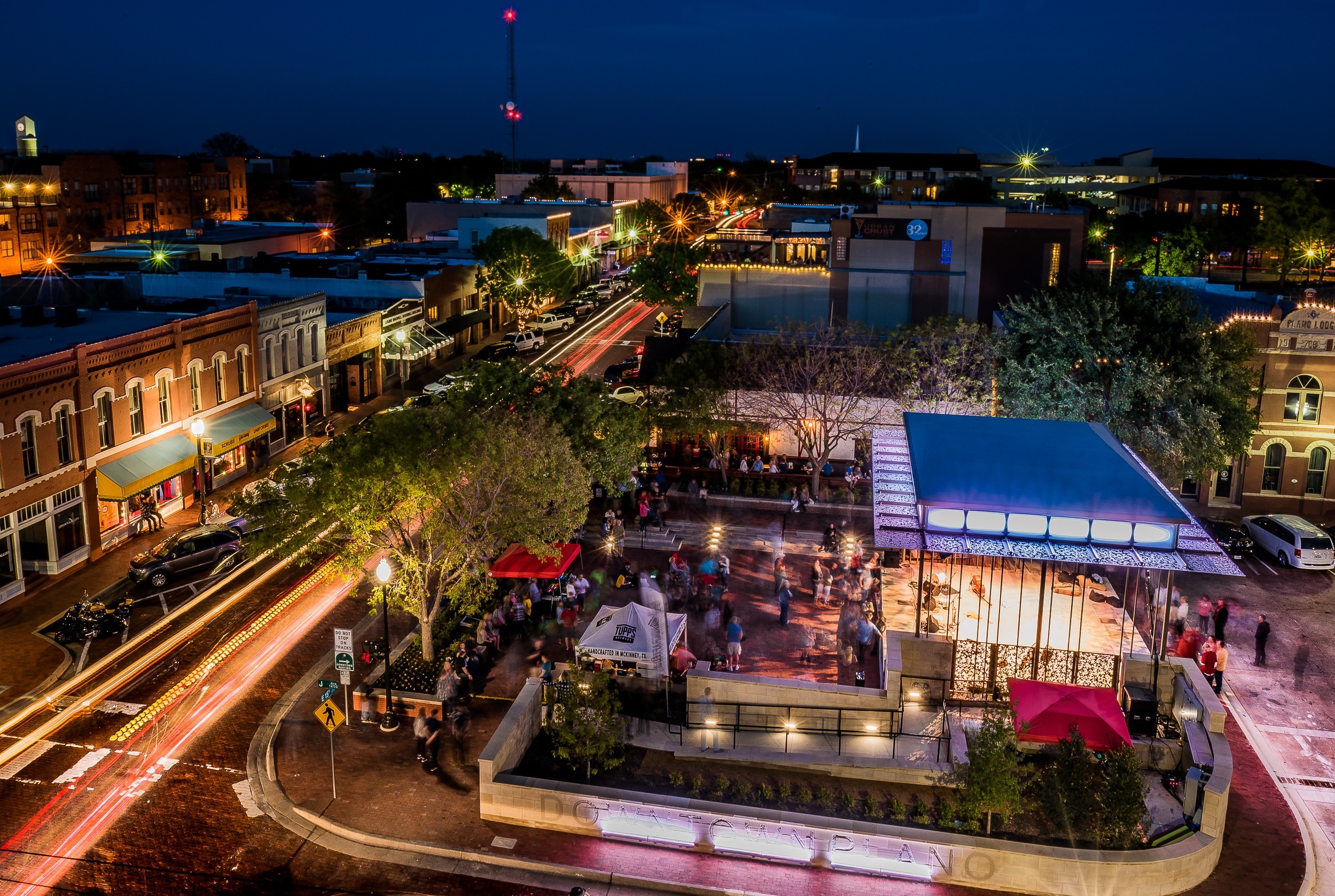
Plano's Place Among DFW Venue Clusters
The Dallas-Fort Worth area features multiple distinct exhibition clusters, each with unique operational demands. Plano stands out as a suburban corporate node that supports events geared toward business professionals, technology firms, and regional associations. This contrasts with the massive convention scale of downtown Dallas or the mixed-use sports and entertainment focus found in areas like Arlington and Frisco.
Understanding these nuances allows planners to select appropriate exhibit solutions that fit the typical room sizes, audience interaction styles, and program durations common in the Plano area. Coordination efforts often involve aligning with the logistical frameworks that serve the entire metroplex, ensuring materials and designs transition smoothly between different event types and locations.
Recommended locations throughout the region, including Plano, Allen, and Richardson, form a network that can be leveraged for strategic market penetration. By treating each as a separate cluster, exhibitors avoid One Size Fits All approaches and instead develop targeted plans that maximize relevance and impact.
Logistics and Transportation Planning for the North Texas Corridor
Effective logistics form the foundation of any successful exhibition program in the DFW region. For Plano events, this involves careful mapping of transportation routes from primary hubs like DFW Airport and the major Dallas facilities. The planning process references established practices for dock access, loading procedures, and material handling as seen at key venues such as the Kay Bailey Hutchison Convention Center.
Exhibitors are encouraged to review available documentation on utilities, electrical requirements, and move-in schedules to anticipate needs specific to suburban settings. While Plano venues may present different physical constraints than downtown locations, the overarching regional standards provide a reliable baseline for preparation.
Strategic coordination helps mitigate common challenges such as traffic patterns along the North Dallas Tollway or integration with hospitality nodes in nearby Addison and Lewisville. This level of detail in advance planning contributes to reduced on-site complications and improved overall program efficiency.
Designing Exhibits for Plano Corporate Environments
Booth and display design for Plano should prioritize versatility, technological integration, and professional aesthetics that appeal to corporate decision-makers. The suburban setting often calls for modular systems that can be configured for different session formats, from intimate boardroom-style presentations to larger breakout areas.
Planning includes consideration of how designs will perform across multiple DFW events, allowing for reuse and adaptation between Plano corporate functions and larger shows at the Dallas Market Hall or Fashion Industry Gallery. This approach supports cost efficiency while maintaining brand consistency throughout the market.
Drawing from broader DFW trends, exhibit elements should facilitate meaningful interactions that align with the professional tone prevalent in Plano. Factors such as lighting, graphics scalability, and accessory options play important roles in creating environments that support both education and networking objectives.
Working with Service Partners in the DFW Area
The Kay Bailey Hutchison Convention Center and similar major venues maintain lists of authorized service partners for various exhibition needs, including installation, electrical, and audiovisual support. While planning for Plano, exhibitors can reference these established networks to identify qualified providers familiar with regional requirements and best practices.
This coordination model ensures compliance with local regulations and venue-specific rules without the need for individual verification at every location. The service partner ecosystem serves the entire DFW corridor, providing continuity for exhibitors operating across Plano, Irving, Grapevine, and other municipalities.
Early engagement with these resources allows for accurate budgeting and scheduling, particularly important when events in different clusters run on overlapping timelines or require specialized equipment.
Utility and Infrastructure Requirements Across Clusters
Venues throughout the Dallas-Fort Worth region maintain detailed specifications for utilities including power, internet connectivity, and rigging capabilities. For the Plano cluster, these requirements may differ in scale from those at the main convention center but follow similar planning principles outlined in exhibitor documentation.
Reviewing resources on utilities and docks helps prepare for the specific demands of North Texas suburban locations. This includes anticipating needs for climate control, data services, and waste management that support smooth event execution.
By incorporating these considerations into the initial design phase, planners can avoid last-minute adjustments and ensure their exhibits operate reliably within the parameters of Plano venues and related facilities.
Event Calendar and Timeline Development for Plano
Successful exhibition programs require detailed timelines that account for design, fabrication, shipping, installation, and dismantle phases. In the Plano context, these timelines must synchronize with the distinct event cycles of suburban corporate nodes as opposed to the heavy convention schedules of downtown Dallas or seasonal peaks in areas like Fort Worth.
Utilizing event planning guides from across the region, such as those available for Irving and Frisco, provides valuable context for building realistic schedules. This approach helps identify potential bottlenecks and opportunities for cross-promotion between nearby locations.
Long-term planning also involves tracking multi-year patterns in DFW demand drivers to position exhibits at optimal times within the Plano market. The result is a more strategic deployment that maximizes return on investment across the entire metroplex.
Advancing Your DFW Exhibition Strategy from Plano
Plano serves as an effective base for broader DFW engagement, allowing companies to test concepts in corporate settings before scaling to larger venues like the Arlington convention facilities or the Omni Dallas Hotel environments. This progressive approach supports iterative improvements to exhibit designs and messaging.
The recommended locations list highlights how Plano connects with places like McKinney, Richardson, and Carrollton to create comprehensive coverage of the northern DFW sector. Coordination at this level ensures consistent brand experiences regardless of specific event location.
Ultimately, the goal is to equip exhibitors with the knowledge to navigate the full spectrum of DFW opportunities while recognizing the individual character of each cluster, including the specialized context that Plano provides.
Questions buyers ask first
How does planning for events in Plano differ from downtown Dallas conventions?
Plano events typically involve smaller-scale corporate and professional gatherings with different audience expectations and venue configurations compared to the large convention center programs in downtown Dallas. This requires more focused, technology-oriented designs and coordination approaches tailored to suburban operational contexts.
What logistics considerations are important when exhibiting in the Plano area?
Key considerations include alignment with regional transportation networks, reference to dock and utility standards from major DFW venues like the Kay Bailey Hutchison Convention Center, and accounting for traffic patterns specific to the North Dallas corridor.
Are there specific service partners recommended for Plano exhibitions?
Service partners authorized for major DFW venues often extend their capabilities across the metroplex, including Plano. Referencing the approved lists from facilities such as the Dallas Convention Center provides a starting point for identifying qualified support.
How can exhibitors prepare for the distinct operational contexts in Plano versus Frisco or Arlington?
By treating each as a separate venue cluster with unique characteristics—corporate focus in Plano, sports and entertainment in Frisco and Arlington—planners can adapt booth strategies, logistics, and timelines to match the specific demands of each area.
What resources help with budgeting for DFW-wide including Plano activities?
Event planning guides from Irving, Arlington, and Frisco along with exhibitor documentation from Dallas venues offer insights into typical requirements, helping create accurate budgets that account for variations across the different clusters.
Does effective Plano planning require consideration of the entire Dallas-Fort Worth market?
Yes, because Plano functions as part of the interconnected DFW exhibition ecosystem. Understanding relationships between locations, shared logistics, and varying demand drivers leads to more cohesive and successful exhibition programs.
Related topics
Continue with the Dallas topics closest to the current scope.
Start here
Expo Stand Builders of Dallas
Full-service exhibit programs with design, fabrication, logistics, venue-aware planning, and show-floor accountability across Dallas-Fort Worth. Share the venue, dates, footprint, and the part of the scope that still needs to be solved.