
Locations / Strategic Exhibit Planning for Grapevine, Texas Events
Strategic Exhibit Planning for Grapevine, Texas Events
Grapevine functions as a specialized node in the DFW exhibition landscape, where airport corridor access and distinct hospitality-focused venues shape coordinated planning for effective trade show outcomes.
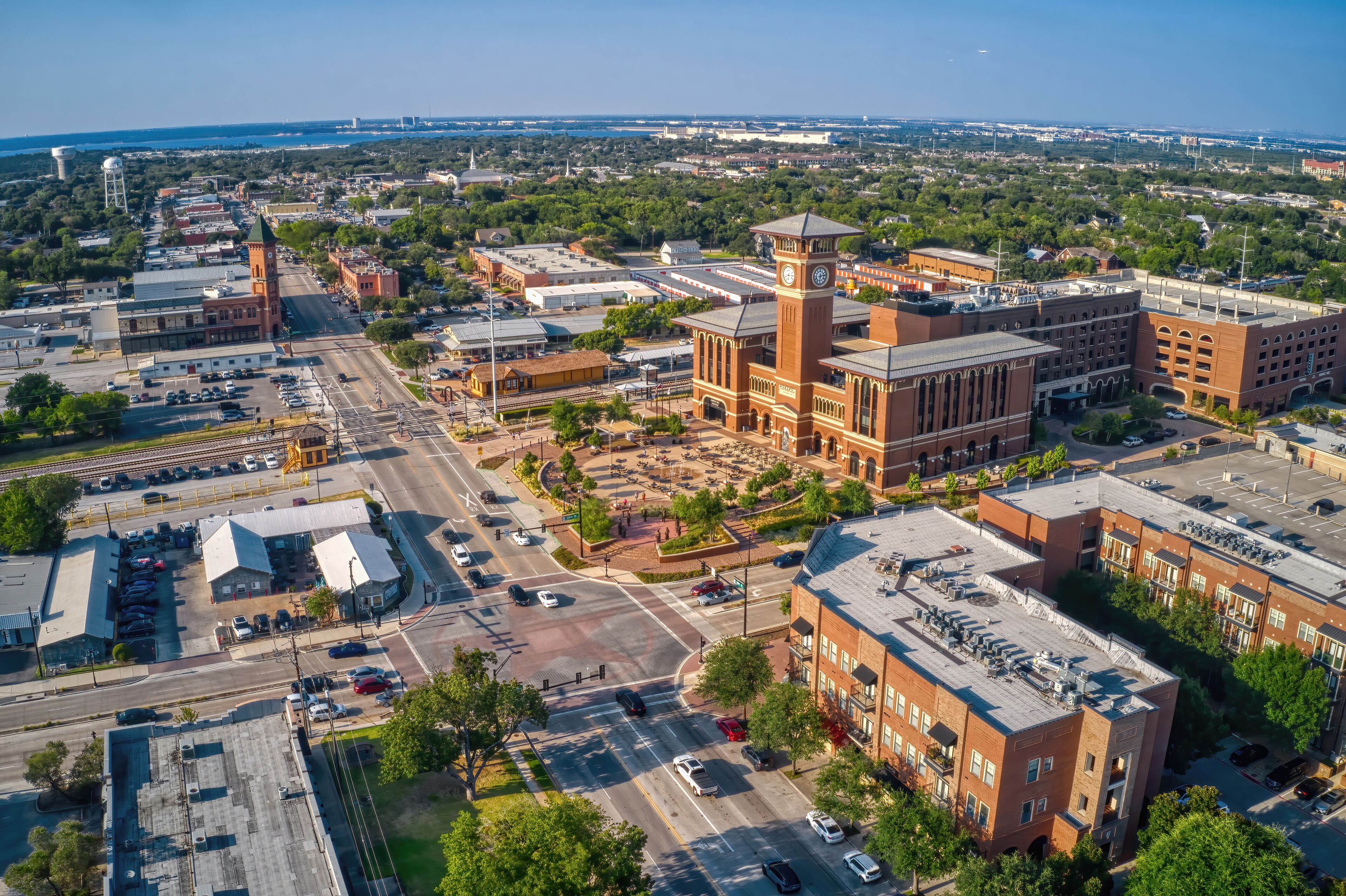
Grapevine Within the DFW Exhibition Landscape
Grapevine functions as a unique cluster characterized by its position along primary airport approach corridors that support both domestic and international attendee travel. This creates different planning demands than those encountered in suburban corporate nodes such as Plano or Allen. Where downtown Dallas venues like the Kay Bailey Hutchison Convention Center operate under documented dock, utility, and service partner requirements, Grapevine events often occur in environments where flexibility and rapid response become higher priorities.
The operational distinctions extend to scale and audience composition. Grapevine gatherings frequently blend business conferences with regional tourism elements, calling for exhibit designs that facilitate both structured presentations and informal conversations. This contrasts with Frisco venues that emphasize sports and youth activations or Irving programs that align more closely with corporate meeting patterns. Coordination that respects these differences produces more relevant visitor experiences and improved program efficiency.
Recognizing Grapevine as one of multiple recommended DFW locations allows planners to develop integrated campaigns rather than isolated activations. When an exhibit program spans Grapevine, Bedford, Southlake, and downtown Dallas within a single quarter, each stop benefits from design decisions made with the full regional context in view. This approach reduces redundancy while increasing the cumulative impact of brand presence across the metroplex.
Logistics Coordination for Airport Corridor Events
Airport proximity fundamentally shapes material handling and personnel logistics for Grapevine events. National exhibitors often leverage direct flights into DFW International Airport, which compresses certain planning windows while expanding options for last-mile delivery. Effective coordination therefore requires precise mapping of carrier schedules, advance shipping cutoffs, and contingency protocols that account for North Texas weather variables and peak travel periods.
Drawing from established practices observed at documented DFW facilities including Dallas Market Hall and the Fashion Industry Gallery, planners can establish freight sequences that maintain consistency even when events cross from Grapevine into adjacent Irving or Euless. Service partner ecosystems documented for major convention centers provide reference points for understanding regional norms, allowing exhibit programs to remain compliant without over-engineering solutions for each individual municipality.
Successful logistics planning also incorporates storage considerations between sequential shows. When a single exhibit rotates from Grapevine to Arlington and then Fort Worth, the ability to stage materials efficiently near airport corridors reduces costs and complexity. This systems-level view distinguishes strategic coordination from Event by Event execution and forms a foundation for sustainable multi-year regional programs.
Exhibit Design Differentiation by DFW District
Design strategies for Grapevine must respond to both physical venue characteristics and audience expectations that differ from those in Plano, Frisco, or downtown Dallas. While larger convention centers support grand-scale custom structures with complex utility demands, Grapevine environments often reward modular systems that can be configured quickly and reconfigured for subsequent stops in the DFW rotation. This modularity preserves budget across multiple activations without sacrificing visual impact.
Audience demographics in Grapevine frequently include decision-makers arriving directly from air travel, creating a preference for clean, professional environments that facilitate focused conversations rather than high-energy experiential zones more common in Arlington entertainment venues. Graphics, messaging, and interactive elements should therefore prioritize clarity and accessibility for attendees who may be managing tight schedules between flights and meetings.
Experienced planning resources evaluate each design decision against the full spectrum of DFW clusters. An element that performs well in Grapevine hospitality settings might require adjustment for the technology-forward atmosphere of Richardson or the consumer focus found in certain Fort Worth activations. This district-level calibration ensures that every component serves a deliberate strategic purpose rather than following standardized formulas.
Timeline Development for Regional DFW Programs
Comprehensive timeline construction represents one of the most critical planning functions for Grapevine and broader DFW events. The concentration of venues across thirty-five municipalities creates both opportunity and risk of scheduling conflicts. Effective coordination begins months in advance with calendar mapping that accounts for overlapping peak periods at the Kay Bailey Hutchison Convention Center, Arlington convention facilities, and Grapevine hospitality venues.
Design and fabrication phases must build in sufficient buffers to accommodate potential revisions once specific booth dimensions and utility specifications become available. For programs that include both custom and rental components, parallel work streams require careful synchronization to ensure all elements arrive ready for installation within the compressed windows typical of airport-adjacent locations.
Post-event review periods should be formally scheduled to capture insights while they remain fresh. Data gathered from Grapevine activations can directly inform adjustments for subsequent events in Lewisville, Grand Prairie, or Mesquite. This iterative approach transforms individual shows into components of an evolving regional strategy that improves performance over time.
Material Selection and Durability Planning
Material choices for Grapevine events should balance immediate aesthetic requirements with the durability needed for repeated installation and dismantle cycles across the DFW region. Components that withstand frequent transport along airport corridors and through varying climate conditions deliver superior long-term value compared to single-event solutions. This consideration becomes especially relevant for brands maintaining presence at multiple recommended locations including Addison, Carrollton, and Richardson.
Surface finishes, hardware systems, and lighting selections each carry implications for both visual consistency and maintenance demands. Coordination resources can identify options that have demonstrated reliable performance in similar DFW operational contexts, helping exhibitors avoid materials that might excel in controlled showroom environments but degrade under real exhibition conditions.
Sustainability considerations increasingly influence material decisions as regional venues and audiences place higher value on responsible practices. Reusable modular systems, recyclable substrates, and low-VOC finishes align with these expectations while supporting the financial efficiency of multi-event campaigns that might begin in Grapevine before continuing through Denton, McKinney, and beyond.
Technology Integration and Interactive Planning
Contemporary exhibits in competitive DFW markets like Grapevine benefit from strategic technology that enhances rather than complicates visitor engagement. Selection of screens, connectivity solutions, and interactive displays must account for venue-specific power availability and data infrastructure that may differ from the detailed utility provisions documented for the Kay Bailey Hutchison Convention Center.
The goal remains creating meaningful interactions that align with audience expectations in airport-adjacent hospitality settings. Technology should facilitate lead capture, product education, or relationship building without introducing setup complexity that conflicts with tight load-in schedules. Backup plans for technical contingencies form an essential component of professional coordination.
When integrated thoughtfully, digital elements can create continuity across a regional tour that includes stops in Grapevine, Flower Mound, Coppell, and other DFW nodes. Data collected through these systems provides measurable insights that inform future planning cycles and demonstrate clear return on investment to stakeholders.
Budget Optimization Across DFW Clusters
Strategic budget management for Grapevine events requires viewing each activation within the context of potential regional reuse. Costs allocated to design, fabrication, logistics, and storage can be optimized when components are engineered for multiple DFW deployments rather than single-use applications. This perspective often reveals opportunities to shift investment from disposable elements toward durable systems that maintain appearance across repeated setups.
Understanding typical expense patterns across different clusters helps planners allocate resources effectively. What constitutes standard practice at large Dallas convention facilities may not apply equally to Grapevine hospitality venues or suburban Frisco activations. Experienced coordination identifies these variations early, preventing budget surprises and ensuring that every dollar advances measurable program objectives.
Comprehensive tracking that includes not only direct exhibit costs but also personnel travel, material handling, and post-event refurbishment provides the data foundation for accurate ROI analysis. This disciplined approach supports informed decisions about future participation levels in Grapevine and complementary DFW markets.
Questions buyers ask first
How does Grapevine differ operationally from other DFW locations?
Grapevine functions as a distinct cluster defined by airport corridor access and hospitality venue characteristics that contrast with the large-scale convention infrastructure of downtown Dallas or the corporate focus of Plano and Frisco. These differences influence booth sizing, logistics timing, audience engagement tactics, and optimal material choices.
What logistics factors are most important for Grapevine events?
Proximity to DFW International Airport creates both advantages and constraints for freight routing, attendee arrival patterns, and installation windows. Coordination requires precise timeline mapping, carrier selection, and contingency planning that accounts for regional traffic and weather variables common to North Texas.
Should exhibit designs be customized for Grapevine versus other DFW cities?
Effective programs calibrate designs to each district's operational context. While core brand elements remain consistent, adjustments in scale, messaging, and interactive features help align with the specific audience profiles and venue parameters found in Grapevine compared to Arlington, Irving, or Fort Worth.
When should planning begin for a Grapevine trade show program?
Strategic coordination typically starts four to six months prior for single events and earlier for campaigns spanning multiple DFW locations. This lead time allows for proper design development, material procurement, logistics mapping, and alignment with documented requirements at regional facilities.
How can exhibitors measure success at Grapevine events?
Meaningful evaluation combines quantitative metrics such as qualified leads and engagement duration with qualitative feedback on brand perception. Tracking these indicators across sequential DFW activations reveals patterns that inform future strategy and demonstrate program return on investment.
Is a single exhibit design suitable across all DFW locations?
Modular systems engineered for adaptation often provide the best balance of consistency and flexibility. However, strategic adjustments based on district-level differences in venue scale, audience demographics, and operational requirements typically improve outcomes compared to completely uniform approaches.
Related topics
Continue with the Dallas topics closest to the current scope.
Start here
Expo Stand Builders of Dallas
Full-service exhibit programs with design, fabrication, logistics, venue-aware planning, and show-floor accountability across Dallas-Fort Worth. Share the venue, dates, footprint, and the part of the scope that still needs to be solved.