
Locations / Dallas TX Exhibition Coordination and Venue Planning
Dallas TX Exhibition Coordination and Venue Planning
Authoritative guidance for navigating trade shows, conferences, and corporate activations at the Kay Bailey Hutchison Convention Center, Dallas Market Hall, Fashion Industry Gallery, and surrounding DFW districts.
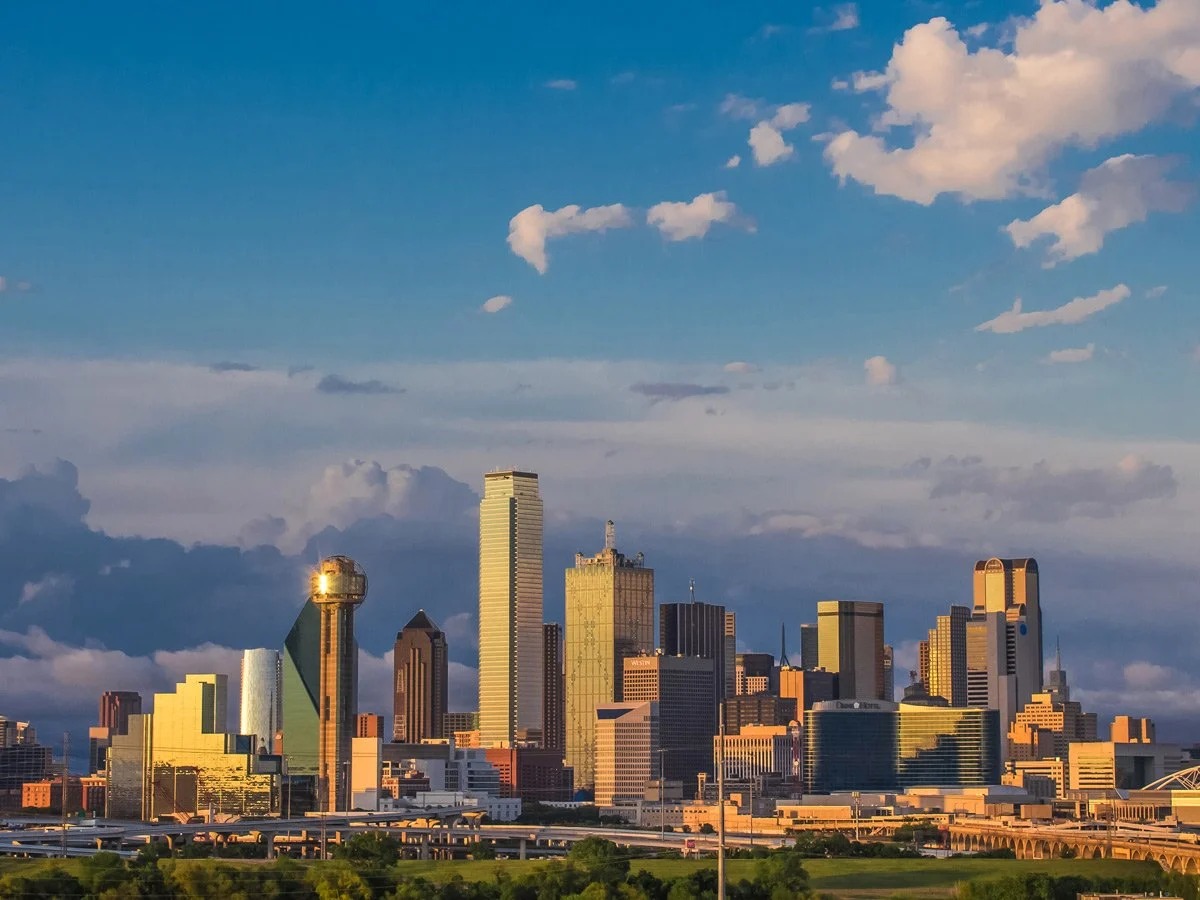
Positioning Within the Dallas-Fort Worth Venue Ecosystem
Dallas operates as the largest and most centralized component of the broader DFW meetings market, hosting flagship events that draw regional, national, and international audiences. Its infrastructure connects directly with airport approaches, major highways, and adjacent municipalities that collectively support overflow demand, extended-stay programs, and secondary activations.
The metroplex approach requires planners to evaluate not only downtown Dallas capacities but also how events interface with distinct clusters in Fort Worth, Arlington, Irving, Plano, Frisco, Grapevine, and Addison. These areas maintain separate operational rhythms formed by their proximity to corporate headquarters, entertainment districts, or transportation hubs.
Documentation from VisitDallas and partner organizations highlights how the region accommodates diverse event scales, from expansive convention programming to targeted industry gatherings. Successful coordination accounts for these variations to optimize budgets, timelines, and attendee experiences across chosen locations.
Kay Bailey Hutchison Convention Center Operational Framework
The Kay Bailey Hutchison Convention Center functions as Dallas's primary exhibition facility, supporting major trade shows with extensive floor space and supporting infrastructure. Official exhibitor resources detail procedures for move-in, operation, and dismantle phases, providing foundational references for planning teams.
Dedicated sections address utilities, dock assignments, and service partner options, enabling exhibitors to align their programs with facility standards. These resources emphasize preparation for electrical, internet, and other infrastructure needs that vary by event scope and booth configuration.
Downtown positioning introduces specific traffic and scheduling dynamics that differ from suburban or airport-proximate venues. Planners reference the center's exhibitor guidelines to anticipate peak-period demands and coordinate supporting elements such as material handling and on-floor services.
The convention center's service partner directory further clarifies approved channels for various exhibition requirements, supporting structured coordination that maintains compliance with house rules across all event phases.
Specialized Venues Including Dallas Market Hall and Fashion Industry Gallery
Beyond the main convention center, Dallas maintains targeted facilities such as Dallas Market Hall and the Fashion Industry Gallery that serve niche industry segments with distinct operational profiles. These venues support events requiring specialized layouts, lighting conditions, or audience demographics that differ from general convention programming.
Dallas Market Hall accommodates shows focused on particular commercial categories, with infrastructure scaled for mid-sized exhibitions and associated temporary displays. Its positioning within the city creates different access patterns compared to downtown core facilities or northern suburban developments.
The Fashion Industry Gallery offers a more intimate environment suited for targeted presentations and buyer meetings, demanding precision in stand aesthetics and material specifications. Coordination for these spaces benefits from reviewing VisitDallas profiles that outline capacity and amenity details.
Selecting among these options requires matching event objectives to venue character, whether seeking high-traffic convention exposure or focused industry immersion within the Dallas market.
Hospitality and Hotel Venue Integration in Dallas
Hotel properties like the Omni Dallas Hotel play significant supporting roles for mid-sized conferences, corporate meetings, and satellite activations connected to larger shows. Its direct linkage to the convention center creates smooth options for combined programming that blends exhibition halls with meeting rooms and guest accommodations.
These hospitality venues introduce different planning parameters focused on audiovisual integration, banquet coordination, and attendee circulation between spaces. Official directories provide capacity overviews that assist in determining appropriate event scales for each property.
When mapping full programs across Dallas, planners often combine convention center exhibits with hotel-based components to optimize convenience and reduce transportation requirements. This approach proves especially relevant for events spanning multiple days or requiring break-out sessions.
Understanding these integration points allows for more cohesive experiences that leverage the strengths of both dedicated convention infrastructure and full-service hotel environments.
District-Level Differentiation Across DFW Clusters
The DFW region features pronounced operational distinctions between its primary clusters. Downtown Dallas prioritizes high-volume convention activity with corresponding infrastructure for large freight movements and dense attendee populations. In contrast, Irving emphasizes proximity to DFW Airport for time-sensitive corporate and international events.
Northern suburbs including Plano, Frisco, and Allen support growing demand from technology and professional services sectors, often featuring venues integrated with mixed-use developments and retail districts. These locations typically involve different traffic patterns and parking considerations than central Dallas.
Western clusters in Arlington and Grapevine align with sports, entertainment, and tourism themes, creating opportunities for experiential activations that leverage surrounding attractions. Each area's documented planning guides reveal customized approaches to event logistics and vendor coordination.
Effective market navigation involves mapping these differences to align exhibition strategies with the most suitable environment, whether seeking maximum visibility in Dallas proper or targeted access within specific business corridors.
Logistics Planning for Utilities, Freight, and Access
Venue resources for the Kay Bailey Hutchison Convention Center outline structured processes for utilities and dock usage that form the backbone of exhibition coordination in Dallas. These elements require advance ordering and scheduling to align with event timelines and facility constraints.
Freight movement throughout the metroplex benefits from strategic consideration of airport proximity, highway networks, and municipal boundaries that influence carrier routing and delivery windows. Planners reference official documentation to anticipate requirements at each selected location.
Service partner frameworks help identify qualified providers for electrical, rigging, and related needs while maintaining operational standards. This ecosystem supports consistent execution across events of varying sizes and complexities.
Comprehensive preparation incorporates these logistical layers to minimize disruptions and ensure that stand elements arrive, install, and operate as intended within the chosen Dallas or DFW venue.
Strategic Alignment with Surrounding Municipalities
Dallas connects to an extensive network of neighboring communities that expand planning options for exhibitions, installations, and supporting activities. Locations including Bedford, Carrollton, Cedar Hill, Colleyville, Coppell, DeSoto, Denton, Duncanville, Euless, Farmers Branch, Flower Mound, Garland, Grand Prairie, Hurst, Lancaster, Lewisville, Mansfield, McKinney, Mesquite, North Richland Hills, Richardson, Roanoke, Rockwall, Southlake, the Colony, and Wylie each contribute distinct capabilities to the regional ecosystem.
These municipalities support overflow housing, satellite events, storage coordination, and specialized activations that complement primary Dallas programming. Their individual profiles reflect varying distances from major venues, corporate concentrations, and transportation arteries.
Mapping programs across this landscape enables more resilient event architectures that distribute elements according to specific operational strengths. Planning resources from area convention and visitors organizations provide additional context for aligning objectives with appropriate secondary locations.
This broader view transforms Dallas from an isolated venue choice into the central node of a flexible, multi-district DFW strategy designed for maximum reach and efficiency.
Questions buyers ask first
What makes the Kay Bailey Hutchison Convention Center distinct within the DFW area?
As Dallas's flagship facility, it supports the largest scale exhibitions with dedicated resources covering exhibitor expectations, utilities, docks, and service partners. Its downtown location creates specific access and scheduling considerations that differ from suburban or airport-focused venues across the metroplex.
How should planners approach venue selection across Dallas districts?
Each cluster maintains unique operational contexts. Downtown Dallas suits high-volume conventions, Irving supports airport-adjacent corporate events, Frisco and Plano serve northern business communities, while Arlington and Grapevine align with sports and hospitality programming. Match event goals to documented venue characteristics.
What role do supporting venues like Dallas Market Hall play?
These facilities accommodate specialized industry events and targeted showcases that complement the convention center's broader capabilities. They introduce different scale, layout, and audience requirements that influence stand design and coordination approaches.
Why consider surrounding municipalities when planning Dallas events?
The thirty-five communities around Dallas expand options for housing, secondary activations, and logistics support. They cover primary venue corridors, airport approaches, suburban corporate nodes, and secondary markets that realistically sustain exhibition demand throughout the DFW region.
What resources help navigate utilities and freight at Dallas venues?
Official convention center documentation provides specific guidance on utility ordering, dock procedures, and service partner coordination. These references support structured planning that aligns material handling and infrastructure needs with facility standards.
How does hotel integration affect Dallas exhibition strategy?
Properties such as the Omni Dallas Hotel enable combined programming that links exhibition halls with meeting spaces and accommodations. This approach reduces transportation demands and creates more cohesive attendee journeys across connected downtown facilities.
Related topics
Continue with the Dallas topics closest to the current scope.
Start here
Expo Stand Builders of Dallas
Full-service exhibit programs with design, fabrication, logistics, venue-aware planning, and show-floor accountability across Dallas-Fort Worth. Share the venue, dates, footprint, and the part of the scope that still needs to be solved.