
Industries / Automotive Trade Show Services
Automotive Trade Show Services
Coordinate standout automotive exhibits across Dallas-Fort Worth venues with precise planning for vehicle displays, parts showcases, and high-traffic engagement zones tailored to convention center and exhibition hall specifications.
Venue Selection Tailored to Automotive Scale
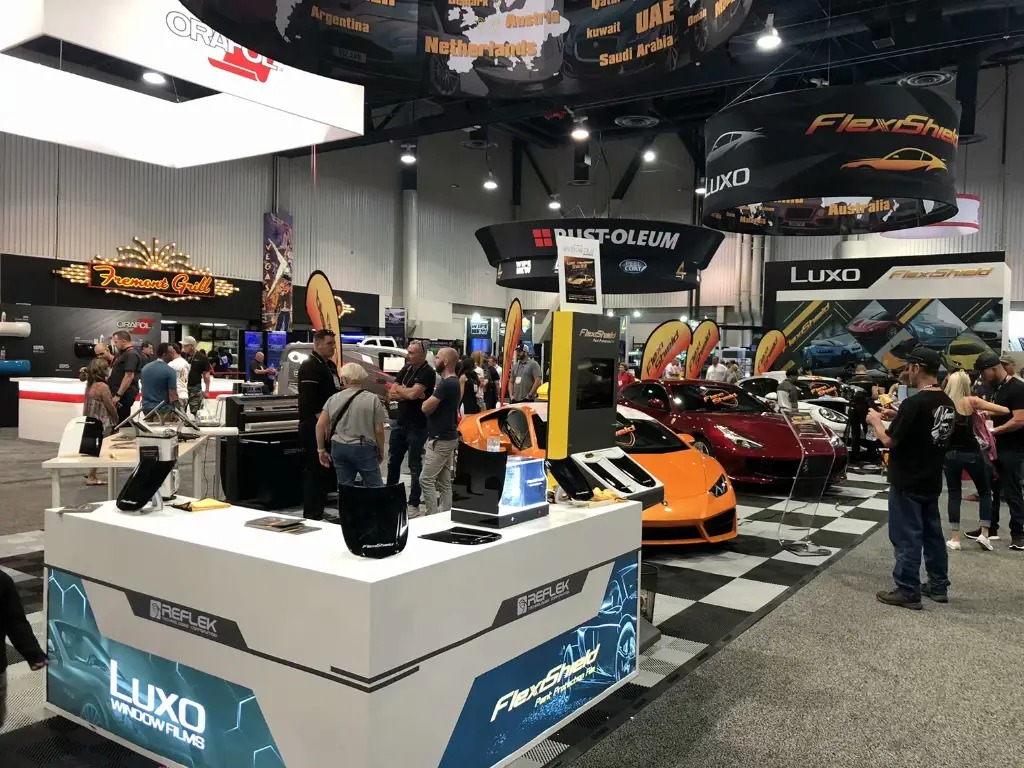
Choosing the appropriate venue within Dallas-Fort Worth's clusters sets the foundation for automotive trade show success, as each location offers distinct capacities for handling the weight and dimensions of vehicles alongside ancillary displays. The Kay Bailey Hutchison Convention Center Dallas stands out for its vast exhibit halls equipped with dedicated exhibitor docks that facilitate the unloading of multiple automobiles and heavy crates of components, allowing organizers to stage grand unveilings without bottlenecks during peak installation periods. This venue's infrastructure supports the high-volume foot traffic typical of automotive events, where booths spanning thousands of square feet showcase everything from compact EVs to full-size trucks amid a sea of potential buyers and partners.
Dallas Market Hall provides an alternative for focused automotive trade gatherings, its exhibition hall configuration ideal for segmented displays of tires, rims, and performance upgrades that benefit from the space's open floor plans and proximity to downtown logistics hubs. In contrast, the Fashion Industry Gallery caters to niche automotive fashion crossovers, such as custom interiors or apparel-integrated accessories, within its special-events venue setup that emphasizes boutique-style presentations. Hotel-based options like the Omni Dallas Hotel and Hyatt Regency Dallas suit smaller-scale automotive tech expos, where convention ballrooms accommodate prototype unveilings and seminars without the need for extensive vehicle ingress, streamlining coordination for teams targeting regional distributors.
Further afield, the Irving Convention Center at Las Colinas offers mid-sized halls with efficient access points for automotive suppliers, while the Gaylord Texan Resort & Convention Center in Grapevine integrates exhibit space with expansive pre-function areas perfect for test-drive simulations or parts marketplaces. Each choice hinges on aligning booth requirements with venue notes on space allocation, ensuring automotive exhibitors leverage the full spectrum of DFW's venue-backed capabilities for maximum impact.
Logistics and Freight Management for Vehicles
Automotive trade show logistics in DFW revolve around venue-specific dock protocols and freight handling to manage the ingress of vehicles and pallets of parts without disrupting neighboring exhibits. At the Kay Bailey Hutchison Convention Center Dallas, exhibitors coordinate through designated docks that accommodate tractor-trailers delivering sedans, chassis frames, and bulk accessories, with advance reservations preventing overlaps during the compressed move-in windows common to multi-day automotive events. This structured approach allows for the safe positioning of displays weighing several tons, factoring in floor load limits and pathway clearances that keep emergency access open throughout the show.
Dallas Market Hall's exhibition setup supports streamlined freight operations for aftermarket products, where forklifts navigate wide aisles to position shelving units for batteries, exhaust systems, and detailing kits just hours before doors open. For venues like the Omni Dallas Hotel, logistics shift to elevator-capable components and rolling carts for lighter automotive innovations, avoiding the complexities of ground-level vehicle entry while still achieving polished booth readiness. Comprehensive planning includes pre-show site visits to map rigging points and storage adjacencies, ensuring every element from torque wrenches to tire stacks arrives sequenced for installer efficiency.
Dismantling follows a mirrored precision, with post-event dock slots at the Kay Bailey Hutchison Convention Center Dallas enabling rapid outbound shipments that minimize holding costs for high-value inventory like prototype engines or limited-edition wheels. Across Grapevine and Irving clusters, similar timelines apply, tailored to resort or convention center rhythms, allowing automotive teams to repurpose assets for subsequent markets without delay.
Utility and Power Provisions for Dynamic Displays
Power demands for automotive trade shows escalate with features like engine revving demos, onboard diagnostics, and illuminated scale models, necessitating venue utility audits during the planning phase. The Kay Bailey Hutchison Convention Center Dallas supplies robust exhibitor utilities including multiple amperage options and data lines that power everything from hydraulic lifts displaying suspension systems to VR simulations of autonomous driving tech, distributed via floor boxes positioned to avoid high-traffic zones. This setup ensures uninterrupted operation across booth clusters, even as neighboring displays spike concurrent loads during peak demo hours.
In Dallas Market Hall, utility planning focuses on zonal hookups suitable for accessory lighting and sound systems amplifying tire squeal effects or exhaust notes, with planners mapping circuits to prevent overloads in dense automotive sections. Hotel venues such as the Hyatt Regency Dallas provide banquet-level power tailored to tech-forward exhibits, like interactive kiosks for parts catalogs or charging stations for EV models, integrated smoothly into ballroom footprints. Advance coordination verifies grounding standards critical for electrical-intensive setups, safeguarding both exhibit functionality and attendee safety.
Special-events spaces like the Fashion Industry Gallery adapt utilities for hybrid automotive-fashion booths, supporting LED accents on leather seats or chrome trims without compromising the venue's aesthetic. Comprehensive utility manifests, submitted weeks prior, align with DFW venue protocols, enabling automotive exhibitors to deliver immersive experiences that convert foot traffic into qualified inquiries.
Booth Design Optimized for Automotive Engagement
Automotive booth designs in DFW venues prioritize sightlines and accessibility to spotlight vehicles against hall backdrops, incorporating modular frameworks that adapt to varying ceiling heights and column placements. At the Kay Bailey Hutchison Convention Center Dallas, expansive designs leverage the open hall spans for central vehicle podiums surrounded by tiered accessory pods, drawing attendees into hands-on zones for touch-testing materials or configuring builds via digital interfaces. These configurations account for directional lighting that enhances metallic finishes and underglow effects, amplifying visual pull in crowded automotive aisles.
Dallas Market Hall favors linear booth arrays for parts progressions, from raw castings to polished assemblies, with cantilevered shelving that maximizes vertical space without obstructing views. In resort settings like the Gaylord Texan, designs blend freestanding vehicle islands with perimeter branding walls, facilitating flow-through traffic for quick scans of fleet options or restoration portfolios. Material choices emphasize durability against constant handling, while integrated AV supports looped footage of track performance or dyno runs.
Hotel convention areas at the Omni Dallas Hotel call for compact, elevated displays that fit within drape lines, focusing on cross-sections of transmissions or infotainment stacks accessible via step stools. Iterative design reviews against venue blueprints ensure compliance with setback rules, crafting booths that not only showcase products but also orchestrate attendee journeys from awareness to consultation.
Visitor Flow and Lead Optimization Strategies
Managing visitor flow in automotive trade shows requires booth layouts that channel high-density crowds past key touchpoints, calibrated to venue hall dynamics and event schedules. The Kay Bailey Hutchison Convention Center Dallas's wide concourses enable radial booth designs that funnel dealers toward registration kiosks after vehicle walkarounds, with signage directing secondary paths to parts demos. This orchestration peaks during manufacturer keynotes, sustaining momentum through staggered demo rotations that prevent bottlenecks around popular hybrids or off-roaders.
Dallas Market Hall's marketplace vibe suits serpentine flows weaving through supplier rows, where interactive pedestals prompt scans for exclusive pricing tiers, converting browsers into prospects amid the buzz of wholesale negotiations. In Grapevine resorts, booth positioning near foyer transitions captures impulse traffic from receptions, layering scent diffusers of new car aroma with motion-activated videos to heighten sensory engagement. Data-driven placement leverages past show heatmaps to position high-conversion elements like configurators Front and Center.
Post-interaction, lead routing via tablet handoffs or badge swipes ensures follow-ups begin on-site, with booth staff briefed on venue Wi-Fi reliability for real-time CRM uploads. Hotel venues streamline this with lounge-adjacent capture stations, extending conversations into adjacent bars and fostering deals over post-show drinks.
Safety, Compliance, and Teardown Coordination
Safety protocols for automotive exhibits address the hazards of elevated vehicles, fluid spills, and electrical arrays, aligned with DFW venue fire marshal guidelines and load charts. At the Kay Bailey Hutchison Convention Center Dallas, booth plans incorporate anchor points tested for wind simulation rigs and spill containment under test bays, submitted for pre-approval to clear inspections swiftly. Egress paths remain unobstructed, with barriers guiding flows around jacked-up axles or spinning wheel displays that thrill without risk.
Dallas Market Hall compliance emphasizes non-combustible racking for oil filters and fuels, with ventilation checks for demo exhausts piped externally. Hotel settings like the Hyatt Regency Dallas prioritize low-profile barriers around battery packs, ensuring housekeeping crews navigate freely during events. Documentation packages detail every fastener and hookup, streamlining daily walkthroughs by venue ops teams.
Teardown coordination reverses the build with sequenced reverse-logistics, reclaiming dock time at the Irving Convention Center for palletizing unsold stock while crews strike frameworks overnight. This efficiency minimizes dwell fees, prepping assets for outbound carriers bound for next markets, closing the loop on a flawless automotive trade show cycle.
Hybrid Event Integration for Automotive Audiences
Modern automotive trade shows increasingly incorporate hybrid elements, blending physical booths with virtual extensions accessible via venue Wi-Fi and streaming setups. The Omni Dallas Hotel's convention spaces facilitate this with podiums for live keynotes synced to booth screens displaying real-time attendee polls on model preferences, enhancing engagement for remote wholesalers. Planners integrate QR portals linking to 3D tours of absent vehicles, compensating for space limits in smaller halls like the Fashion Industry Gallery.
At larger sites such as the Kay Bailey Hutchison Convention Center Dallas, hybrid coordination spans dedicated AV closets feeding content to multiple automotive clusters, supporting webinars on supply chain shifts or ADAS advancements. This dual-track approach captures leads from both in-person scans and online registrations, with data unified in post-show dashboards. Grapevine resorts amplify with app-based gamification, where virtual test drives open up booth exclusives upon check-in.
Logistical fusion ensures fiber uplinks match exhibit power, preventing glitches during peak hybrid traffic, while staff training bridges digital-physical interactions for smooth lead nurturing.
Questions buyers ask first
Which DFW venues are best suited for large vehicle displays?
The Kay Bailey Hutchison Convention Center Dallas excels with its dedicated exhibitor docks and expansive halls for full vehicle setups, while Dallas Market Hall supports robust parts and accessory exhibitions in its dedicated exhibition space. Hotel venues like the Omni Dallas Hotel handle tech and smaller models effectively.
How do dock reservations work for automotive freight at KBHCCD?
Exhibitors reserve dock time through the venue's exhibitor portal based on booth size and vehicle count, coordinating with service partners to manage tractor-trailer access during designated move-in windows to avoid conflicts with other large displays.
What utility options support power-hungry automotive demos?
Kay Bailey Hutchison Convention Center Dallas provides scalable exhibitor utilities including high-amperage circuits, floor boxes, and data hookups ideal for engine runs, lighting arrays, and interactive simulations across booth footprints.
Can automotive trade shows occur in hotel convention spaces?
Yes, venues like the Hyatt Regency Dallas and Omni Dallas Hotel accommodate automotive tech showcases, seminars, and compact displays within ballroom configurations, perfect for regional dealer events without heavy vehicle logistics.
How to plan for visitor peaks during product launches?
Design booth flows with buffered demo zones and secondary viewing platforms, positioned per venue heatmaps to handle surges at sites like Dallas Market Hall, ensuring smooth circulation and lead capture amid high excitement.
What teardown timelines apply in DFW venue clusters?
Post-show dock access mirrors move-in scheduling, with priority slots at Irving Convention Center and Grapevine resorts allowing overnight strikes and freight outbound to expedite inventory turnover for automotive exhibitors.
Related topics
Continue with the Dallas topics closest to the current scope.
Start here
Expo Stand Builders of Dallas
Full-service exhibit programs with design, fabrication, logistics, venue-aware planning, and show-floor accountability across Dallas-Fort Worth. Share the venue, dates, footprint, and the part of the scope that still needs to be solved.