
Locations / Allen, TX: Strategic Exhibit Planning in the Northern DFW Corridor
Allen, TX: Strategic Exhibit Planning in the Northern DFW Corridor
Allen serves as a suburban corporate node within the Dallas-Fort Worth metro, enabling targeted conference and activation events alongside smooth coordination with primary venue clusters in Plano, Frisco, Dallas, and beyond.
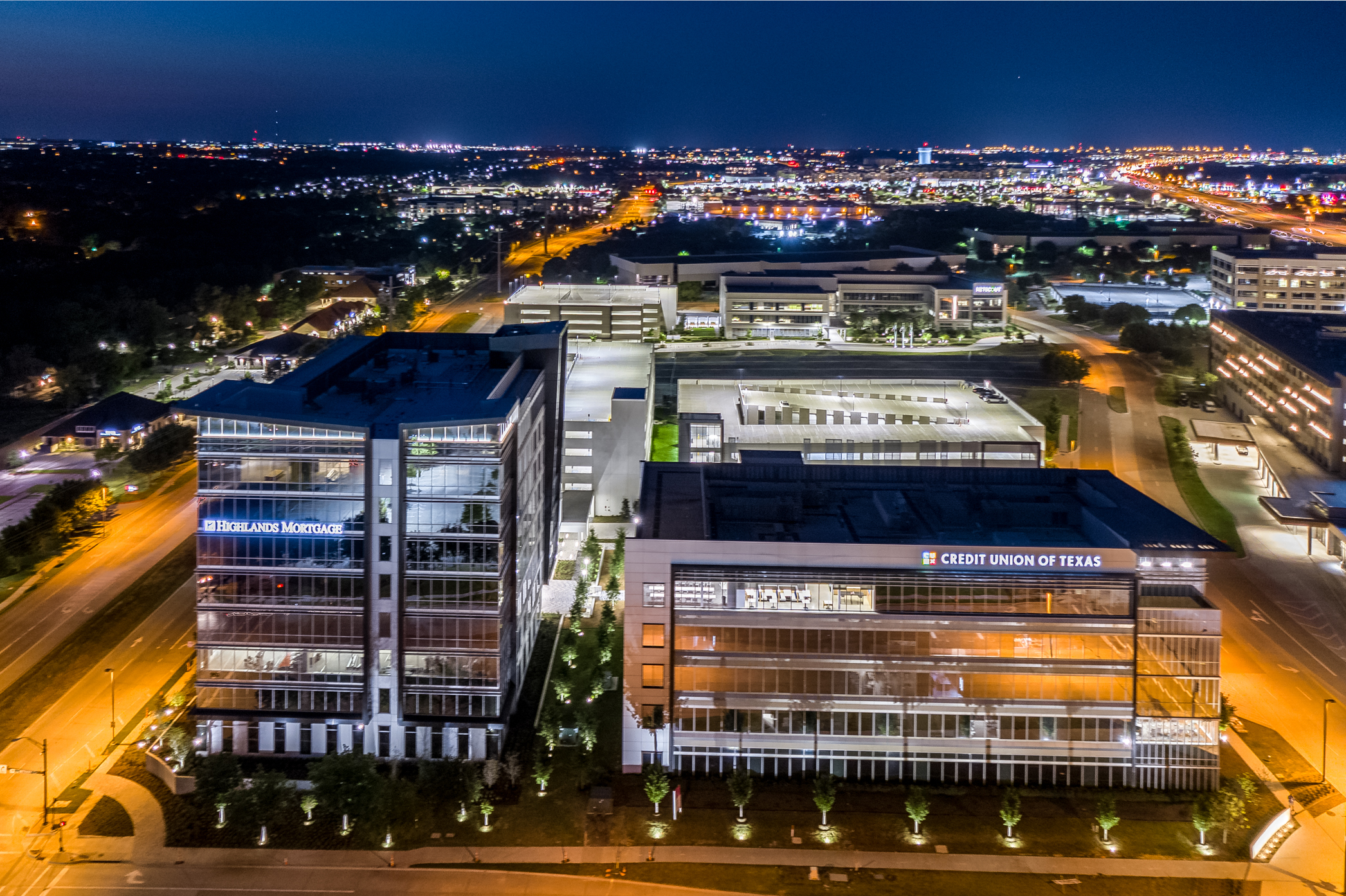
Allen's Position Among DFW Suburban Corporate Nodes
Within the documented network of thirty-five nearby cities that address primary venue corridors, airport approaches, and secondary municipalities, Allen functions as a suburban corporate node. This positioning supports demand for targeted conferences and product activations that often originate from or draw attendance from the surrounding technology and corporate concentration in the northern DFW sector. Coordination requires acknowledging how Allen events frequently connect with larger programming in adjacent Plano and Frisco clusters without duplicating the hospitality or convention density found in Grapevine or Irving.
Operational nuance emerges when comparing Allen-area activities to the distinct contexts of downtown Dallas or Fort Worth venues. Suburban nodes typically involve shorter material transport legs yet still intersect with the same service partner requirements and compliance standards enforced at scale. Planning therefore prioritizes early mapping of these intersections so that booth assets and support elements remain compliant across multiple municipalities within a single campaign.
Recommended location lists consistently include Allen alongside Bedford, Carrollton, and Richardson, underscoring its viability for exhibitors seeking balanced access. This viability depends on precise sequencing that respects the documented exhibitor expectations at core facilities while accommodating the scheduling realities of corporate-driven events common to the northern corridor.
Accessing Key DFW Venues from the Allen Area
Allen exhibitors routinely engage with the Kay Bailey Hutchison Convention Center, where official exhibitor pages detail what to expect regarding load-in procedures, utility ordering, and service partner utilization. These resources establish clear protocols for freight movement through designated docks and the proper sequencing of install activities that must be factored into any Allen-originating timeline. Similar attention applies to secondary venues such as Dallas Market Hall, which offers different spatial and operational characteristics than purpose-built convention infrastructure.
Additional clusters in Arlington, Irving, and Frisco maintain their own venue inventories and planning guides that address meeting spaces, exhibition halls, and supporting hospitality. The Visit Frisco resource, for example, catalogs specialized facilities suited to technology and sports activations while the Arlington convention pages emphasize distinct access patterns. Coordination from Allen therefore involves synthesizing these venue-specific documents into a unified project map that prevents scheduling conflicts across the metroplex.
Fashion Industry Gallery and Omni Dallas Hotel event spaces further illustrate the spectrum of options available. Each location carries unique constraints on rigging, electrical capacity, and material handling that are documented in service partner directories. Planning resources help translate these constraints into actionable steps for exhibitors whose events bridge suburban Allen with these varied DFW sites.
Logistics and Material Handling Coordination
DFW logistics for Allen-based projects center on alignment with venue-approved freight carriers and documented dock schedules. The Kay Bailey Hutchison Convention Center maintains specific pages on docks and exhibitor utilities that outline advance ordering windows, permissible equipment, and safety requirements. These rules directly influence how materials routed through northern suburbs must be staged and labeled to avoid delays upon arrival at primary venues.
Install-and-dismantle sequencing gains added complexity when events span multiple clusters. Suburban corporate nodes like Allen often host preliminary gatherings whose assets are later redeployed to larger halls in Irving or downtown Dallas. Effective coordination therefore incorporates buffer periods derived from official exhibitor documentation to accommodate variable traffic patterns and labor availability across the region.
Planning guides from Irving and Arlington reinforce the value of early engagement with listed service partners for material handling. By referencing these established resources, exhibitors can develop logistics plans that respect each venue's distinct operational context while maintaining overall program continuity from initial design through final dismantle and return shipping.
Custom Exhibit Design Aligned with Venue Specifications
Exhibit fabrication for Allen-area programs must incorporate the dimensional, electrical, and safety specifications published by target DFW venues. The Kay Bailey Hutchison Convention Center provides explicit utilities and exhibitor pages that detail power configurations, hanging point limitations, and fire-rated material requirements. Designs originating from northern suburban demand therefore begin with these parameters to ensure smooth deployment whether the booth appears in a 10 by 20 footprint or as an island configuration.
Modular and reusable components frequently deliver operational efficiency for companies participating across the spectrum of DFW events, from specialized Frisco activations to broader Dallas Market Hall shows. This approach reduces redundant fabrication costs while maintaining brand consistency. Coordination resources emphasize early design reviews against the most restrictive venue rules within the planned itinerary to prevent on-site modifications.
Attention to district-level differentiation further refines the design process. Suburban Allen events may favor lighter, easily transportable elements suited to corporate hospitality suites, whereas downtown Dallas installations often accommodate taller structures and advanced AV integration. Synthesizing these nuances produces exhibits that perform effectively across the full range of recommended DFW locations.
Service Partner Selection and Collaboration
Official service partner lists maintained by the Kay Bailey Hutchison Convention Center and comparable resources from other DFW venues provide the authoritative foundation for vendor selection. These directories cover categories including audiovisual, floral, catering, rigging, and freight, each with documented contact protocols and pricing frameworks. Allen exhibitors benefit when coordination begins by cross-referencing these lists against event-specific needs rather than assuming universal availability.
Event planning guides published for Irving and Arlington further detail how service partners integrate with local hospitality and transportation networks. This information helps construct comprehensive budgets and timelines that account for the full exhibition cycle. Early identification of preferred partners also streamlines communication when an activation in Allen requires supplementary support at a separate convention facility.
The emphasis on venue-backed facts ensures compliance and reduces risk. Planning resources highlight the importance of confirming current partner status directly through official channels, particularly when events cross between clusters such as Grapevine, Addison, or Fort Worth. This disciplined approach supports consistent execution quality across the diverse DFW landscape.
Timeline Development and Pre-Planning Best Practices
Successful DFW exhibitions connected to Allen begin with timelines derived from official venue documentation on lead times for approvals, freight deadlines, and I&D windows. The Kay Bailey Hutchison Convention Center exhibitor resources establish clear benchmarks that must be adjusted for northern suburban staging and transport. Building realistic buffers prevents compression that commonly affects projects spanning multiple municipalities.
Pre-planning extends beyond fabrication to encompass utility orders, badge coordination, and housing blocks referenced in Visit Dallas and Visit Frisco materials. For companies with recurring presence in the region, historical data from prior events at Dallas Market Hall or Arlington venues can refine future schedules. The objective remains creation of a master calendar that respects each cluster's distinct operational cadence.
Post-event dismantle and storage considerations close the loop. Coordination resources stress the value of documented procedures for outbound freight and asset tracking, particularly when returning materials to Allen-area facilities or preparing them for subsequent activations in Lewisville, McKinney, or Richardson. This comprehensive view supports both immediate execution and long-term program efficiency.
Budgeting and Performance Measurement Across DFW Events
Budget frameworks for Allen-connected exhibitions allocate line items according to venue-specific cost structures published in planning guides and service partner directories. Categories typically include design, fabrication, transportation between northern suburbs and convention sites, utilities, labor, and measurement tools. Differentiating these expenses by cluster (downtown Dallas versus Frisco corporate events) yields more accurate forecasting than generalized estimates.
Performance tracking focuses on metrics aligned with the distinct purposes of each venue type. Corporate activations common to Allen and surrounding nodes may emphasize lead quality and relationship development, while larger convention center programs often prioritize brand impressions and booth traffic. Resources drawn from Arlington and Irving event guides assist in selecting appropriate KPIs and data collection methods.
Long-term ROI improves when reusable exhibit elements and established service partner relationships reduce repeat costs. By maintaining alignment with the documented requirements of the Kay Bailey Hutchison Convention Center, Dallas Market Hall, and neighboring facilities, exhibitors can refine their DFW presence over successive cycles while controlling expenditure.
Questions buyers ask first
How does Allen fit into broader DFW trade show and exhibition activity?
Allen is listed among recommended secondary municipalities that support exhibit, conference, activation, and Install and Dismantle demand as part of the thirty-five cities covering DFW venue corridors and suburban corporate nodes.
Which major venues should Allen exhibitors consider?
Key facilities include the Kay Bailey Hutchison Convention Center with its documented exhibitor, utilities, docks, and service partner resources, plus Dallas Market Hall, Fashion Industry Gallery, and venues cataloged in Frisco, Irving, and Arlington planning materials.
Why is venue-cluster differentiation important when planning from Allen?
Each area maintains distinct operational contexts, labor rules, dock procedures, and service partner requirements. Coordination resources emphasize matching plans to these documented differences rather than applying uniform approaches across downtown Dallas, Plano, or Grapevine.
What logistics considerations apply to Allen-area projects?
Projects must align with official dock schedules, utility ordering windows, and approved freight protocols published by target venues while accounting for transport from northern suburban locations to primary convention facilities.
When should coordination begin for events involving Allen and other DFW sites?
Complex custom exhibits and multi-venue campaigns benefit from starting six to twelve months ahead, referencing official exhibitor timelines and planning guides to establish realistic buffers and sequencing.
Where can exhibitors find approved service partners for DFW events?
Official directories are maintained by the Kay Bailey Hutchison Convention Center and supplemented by resources from Visit Dallas, Visit Irving, and other CVB planning documents covering categories from audiovisual to material handling.
Related topics
Continue with the Dallas topics closest to the current scope.
Start here
Expo Stand Builders of Dallas
Full-service exhibit programs with design, fabrication, logistics, venue-aware planning, and show-floor accountability across Dallas-Fort Worth. Share the venue, dates, footprint, and the part of the scope that still needs to be solved.