
Locations / Trade Show Exhibit Planning for Coppell, TX in the DFW Landscape
Trade Show Exhibit Planning for Coppell, TX in the DFW Landscape
Coppell companies gain strategic access to the full spectrum of Dallas-Fort Worth venues through meticulous coordination of custom exhibits, logistics, and venue-specific requirements.
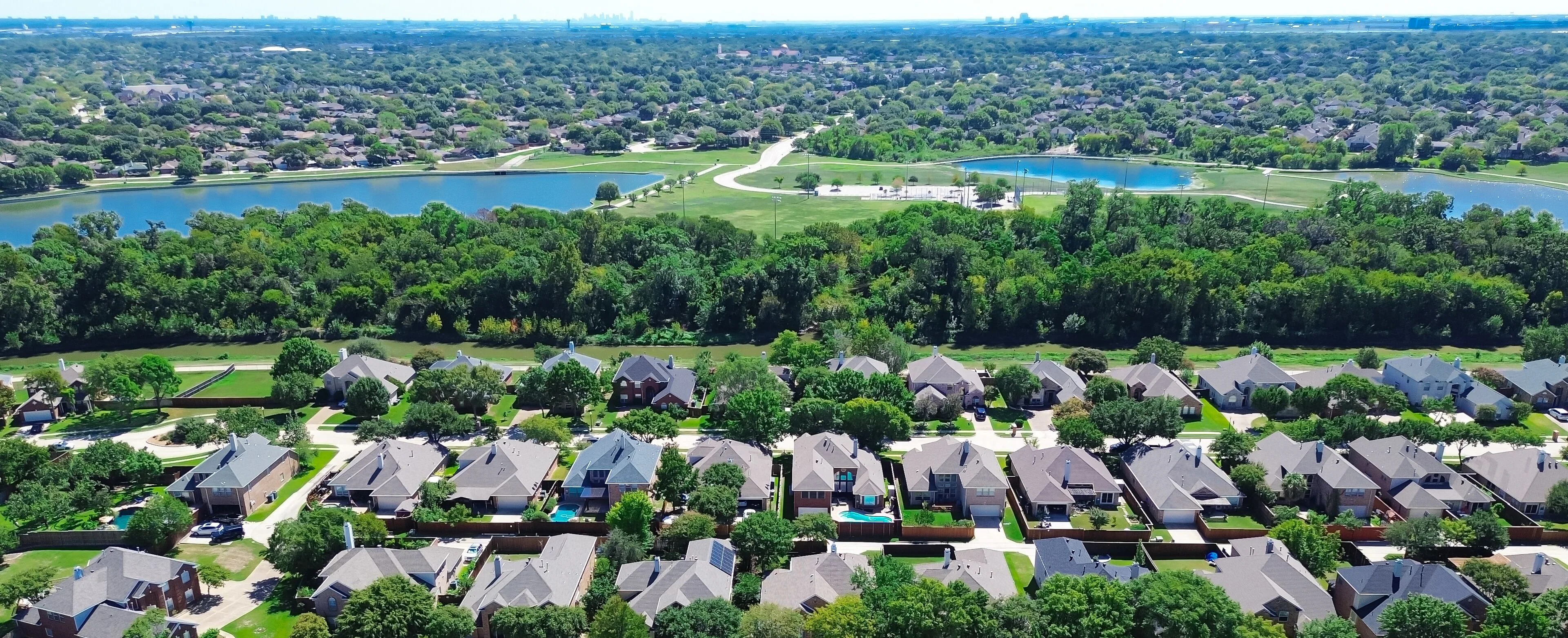
Coppell's Strategic Placement Within DFW Venue Corridors
Coppell functions as a suburban corporate node that connects smoothly with the primary exhibition corridors of the Dallas-Fort Worth area. Its geographic context allows companies to address opportunities at urban convention centers and suburban hospitality venues without concentrating on any single district. The broader market encompasses distinct clusters: the dense downtown Dallas environment led by the Kay Bailey Hutchison Convention Center with its detailed exhibitor resources on utilities, docks, and service partners; the Irving cluster supported by dedicated event planning guides; the Arlington convention infrastructure focused on meetings and specialized activations; and the emerging Frisco and Grapevine nodes that emphasize modern meeting facilities and experiential environments. Planning from Coppell therefore involves mapping these clusters against business objectives to determine optimal participation sequences and resource allocation.
This positioning supports both large-scale trade shows drawing national audiences and more targeted regional events that benefit from localized corporate attendance. Sources covering Irving event planning, Arlington meetings and conventions, and Frisco venue directories illustrate the diversity of options available. Coordination resources help translate these into coherent strategies that consider factors such as attendee travel patterns from Coppell, material transport timing relative to airport proximity, and alignment with each venue's published operational standards. The result is a structured approach that prioritizes foresight over reactive adjustments, enabling Coppell organizations to maintain consistent brand presence across the DFW spectrum.
Understanding these interconnections allows for more sophisticated exhibit calendars. For instance, a program might sequence a major presence at the Kay Bailey Hutchison Convention Center with follow-on activations at Dallas Market Hall or Fashion Industry Gallery, each requiring distinct preparation protocols derived from their respective documentation. By treating Coppell as part of the wider network of locations including Allen, Bedford, Carrollton, and Cedar Hill, planners can develop resilient strategies that accommodate the full range of DFW demand drivers.
Venue-Specific Requirements Across DFW Clusters
Each major DFW venue cluster maintains distinct operational contexts that must inform any coordinated exhibit plan. The Kay Bailey Hutchison Convention Center provides explicit guidance for exhibitors regarding utilities, dock access, freight handling, and an approved roster of service partners. These details establish non-negotiable parameters for electrical configurations, internet provisioning, rigging standards, and material move-in procedures. Similar differentiation appears in Irving's event planning frameworks, Arlington's convention resources, and the meeting venue specifications published for Frisco, each reflecting unique architectural, hospitality, and audience considerations.
Effective planning therefore requires systematic review of these venue-backed facts prior to design finalization. For Coppell-based companies, this means constructing timelines that incorporate buffer periods for compliance verification, especially when exhibits rotate between downtown Dallas facilities and suburban locations such as those in Grapevine or Addison. The Dallas Market Hall and Fashion Industry Gallery introduce further nuances related to scale, industry focus, and setup constraints that reward advance analysis rather than generalized assumptions.
This level of venue specificity prevents common coordination pitfalls. By referencing official service partner directories and utility layouts from the outset, planners ensure that custom elements align with on-site capabilities. The process extends to understanding how different clusters handle labor jurisdictions, material storage limitations, and post-event dismantle sequencing, creating a comprehensive operational map tailored to the realities of repeated DFW participation.
Logistics Coordination for Material Movement and Setup
Logistics planning for Coppell exhibitors centers on aligning transportation sequences with documented venue requirements at each destination. The Kay Bailey Hutchison Convention Center's resources on docks and freight handling provide essential benchmarks for advance and outbound shipping, including acceptable carrier protocols and scheduling windows. Similar considerations apply when targeting Irving, Arlington, or Frisco venues, where variations in loading infrastructure and material staging areas necessitate customized routing plans that originate from the Coppell area.
Airport proximity adds another dimension, supporting both domestic and international shipments that feed into the regional exhibition calendar. Coordination involves precise timing to avoid peak congestion periods at central Dallas facilities while maintaining material integrity during transit. Published utility specifications further guide pre-arrival preparations, ensuring that booth components arrive with appropriate provisions for power, data, and environmental controls already factored into the design phase.
A structured approach also addresses storage implications between multiple shows. By leveraging venue-approved service partners for handling and installation oversight, organizations minimize variables that could disrupt exhibit performance. This planning methodology treats logistics as an integrated element of the overall strategy rather than an afterthought, producing predictable outcomes across the diverse DFW landscape.
Custom Booth Design Approaches for Regional Versatility
Exhibit design for the DFW market benefits from modularity that accommodates the dimensional and regulatory variations found across venue clusters. Components intended for the Kay Bailey Hutchison Convention Center must satisfy its specific utility access points and structural guidelines, while the same core elements may need reconfiguration for narrower footprints at Dallas Market Hall or specialized environments in Frisco and Grapevine. This adaptability begins with thorough analysis of available venue documentation to embed compliance into the earliest conceptual stages.
Effective designs also integrate technology and brand narrative in ways that remain functional under different lighting, traffic flow, and AV infrastructure conditions. Planning resources emphasize creation of systems that support easy reconfiguration, durable materials suited to repeated shipping cycles, and visual impact calibrated to the audience demographics typical of each district. Whether targeting corporate decision-makers at Irving conventions or broader audiences at Arlington events, the booth serves as a coordinated extension of overarching marketing objectives.
Sustainability considerations increasingly influence these designs, with choices around reusable components, responsible material sourcing, and End of Life recyclability adding value across multiple activations. The coordination process ensures these elements receive equal weight with aesthetic and functional priorities, producing exhibits that perform reliably throughout the annual DFW calendar while reflecting contemporary industry expectations.
Iterative review against venue specifications prevents costly revisions late in the timeline. This disciplined methodology yields solutions that scale effectively from small hospitality activations to full-scale convention presence, maximizing return on design investment for Coppell organizations.
Budgeting and Timeline Frameworks for DFW Participation
Comprehensive budgeting for Coppell exhibitors incorporates design, fabrication, logistics, venue services, and measurement activities across multiple events. Reference to official resources from the Kay Bailey Hutchison Convention Center and supporting municipalities like Irving and Arlington helps establish realistic cost ranges for utilities, approved labor categories, and ancillary services. These inputs allow construction of detailed financial models that account for variations between downtown, airport-adjacent, and suburban venue types.
Timeline development follows a parallel discipline, beginning with venue application deadlines and working backward through design approval, fabrication, shipping buffers, and on-site coordination milestones. The distinct operational calendars of Frisco venues, Grapevine hospitality spaces, and central Dallas facilities require careful synchronization to prevent conflicts. Early integration of these factors produces schedules with built-in review points that maintain flexibility without sacrificing preparation quality.
Measurement frameworks complete the planning loop by defining success metrics appropriate to each event type and audience. Whether tracking lead quality at industry-specific shows at the Fashion Industry Gallery or engagement levels at larger conventions, the coordination process embeds evaluation criteria from the planning stage forward. This holistic approach ensures that financial and temporal investments generate actionable business outcomes across the DFW market.
Pre-Show Preparation and Post-Show Optimization
Pre-show coordination for Coppell participants encompasses staff briefing on venue protocols, lead capture system configuration, and alignment of promotional materials with booth design. Reference to exhibitor guides from primary facilities such as the Kay Bailey Hutchison Convention Center ensures that all on-site activities remain within established parameters. This preparation phase also includes confirmation of service partner assignments and final validation of utility orders to eliminate day-of surprises.
Post-show activities receive equal planning emphasis, with structured approaches to lead follow-up, exhibit debriefing, and data compilation that inform subsequent iterations. The cumulative insights gained from navigating multiple DFW clusters enable progressive refinement of strategies, whether adjusting messaging for Arlington audiences or optimizing layouts for Frisco environments. This continuous improvement cycle transforms individual events into components of a larger market presence.
The planning resource role includes providing frameworks that connect these phases into a coherent program. By maintaining focus on documented venue characteristics and operational best practices, Coppell organizations can sustain consistent performance while adapting to evolving DFW exhibition trends.
Sustainability and Innovation in DFW Exhibit Programs
Contemporary exhibit planning for the Coppell market increasingly incorporates sustainability as a core design and logistics criterion. Choices regarding materials, shipping methods, and booth reusability across multiple DFW venues demonstrate environmental responsibility while often reducing long-term costs. Coordination with venue sustainability initiatives, where documented, further strengthens program alignment and brand perception.
Innovation in areas such as interactive technology, modular construction techniques, and data-driven personalization adds differentiation in competitive exhibition environments. These elements must be evaluated against the technical infrastructure available at each location, from the utility specifications at the Kay Bailey Hutchison Convention Center to the AV capabilities highlighted in Frisco and Irving resources. The resulting solutions balance cutting-edge appeal with practical reliability.
Integrating these considerations during initial planning ensures they enhance rather than complicate overall execution. For Coppell businesses committed to responsible growth, this creates exhibit programs that resonate with modern audiences while supporting operational efficiency across the diverse Dallas-Fort Worth landscape.
Questions buyers ask first
How does Coppell fit into broader DFW trade show planning?
Coppell functions as a suburban node offering practical access to the full range of Dallas-Fort Worth venue clusters, from the Kay Bailey Hutchison Convention Center to facilities in Irving, Arlington, Frisco, and Grapevine. Coordination focuses on mapping these distinct operational contexts to create unified exhibit strategies.
What resources should Coppell exhibitors review for the Kay Bailey Hutchison Convention Center?
Official exhibitor documentation covering utilities, dock procedures, freight handling, and the directory of approved service partners provides the foundational facts needed for compliant planning and successful participation.
Why is venue-specific coordination important across DFW districts?
Each cluster maintains unique standards for setup, utilities, labor, and logistics. Differentiated planning ensures designs and timelines align with the requirements of downtown Dallas, Irving, Arlington, Frisco, and other locations rather than applying generic approaches.
How can modular designs benefit companies based in Coppell?
Modular systems allow efficient adaptation to varying booth dimensions, utility layouts, and event scales across multiple DFW venues, reducing fabrication costs and simplifying logistics between shows while maintaining brand consistency.
What role do approved service partners play in successful exhibits?
Venues such as the Kay Bailey Hutchison Convention Center maintain directories of pre-approved partners for electrical, rigging, and related services. Selecting from these lists helps ensure regulatory compliance and operational smoothness during installation and operation.
When should planning begin for DFW trade show participation?
Engagement should start as early as possible to incorporate venue deadlines, design validation, shipping coordination, and budget alignment. This advance work prevents last-minute conflicts and supports higher-quality outcomes across the regional calendar.
Related topics
Continue with the Dallas topics closest to the current scope.
Start here
Expo Stand Builders of Dallas
Full-service exhibit programs with design, fabrication, logistics, venue-aware planning, and show-floor accountability across Dallas-Fort Worth. Share the venue, dates, footprint, and the part of the scope that still needs to be solved.