
Locations / Euless TX Trade Show Exhibit Planning and Coordination
Euless TX Trade Show Exhibit Planning and Coordination
Strategic guidance for Euless organizations navigating the distinct operational demands of DFW trade shows, conferences, and corporate activations.
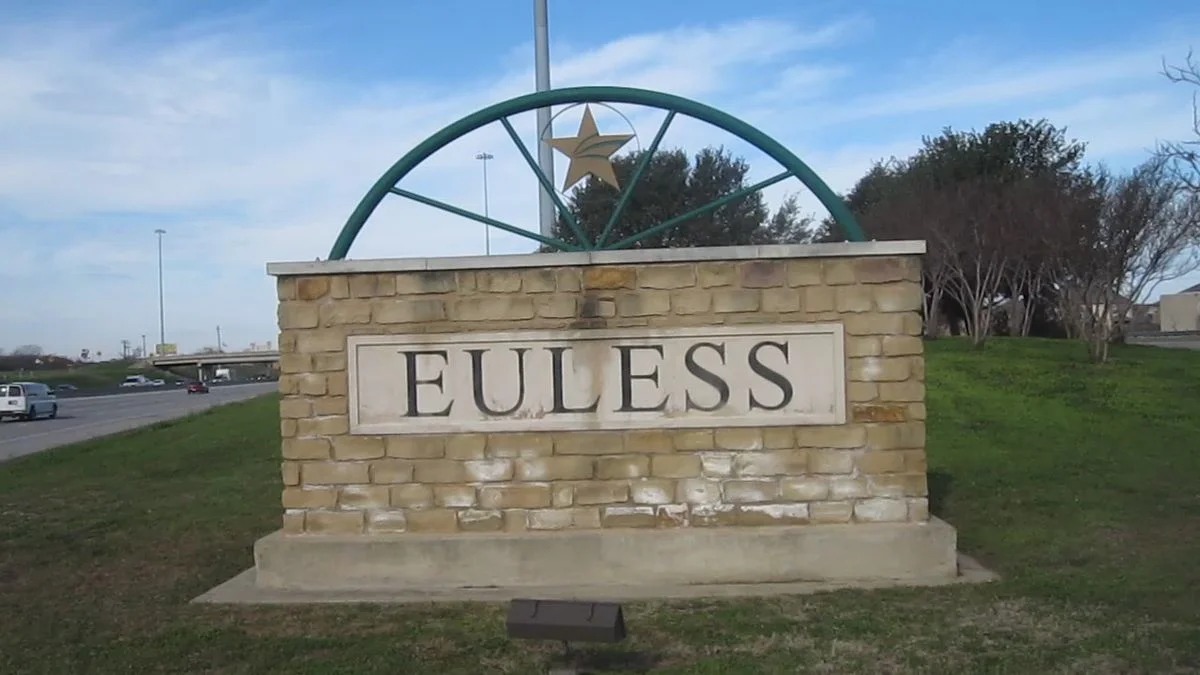
Euless Position in the Broader DFW Exhibition Ecosystem
Euless functions as a practical base for companies engaging with the full range of DFW trade show opportunities. Its location relative to primary interstates and airport approaches facilitates coordinated shipping of exhibit properties to venues in Dallas, Fort Worth, Arlington, Irving, and points north. This geographic reality allows planning efforts to focus on venue-specific variables rather than basic accessibility.
The surrounding suburban municipalities each host differentiated event types. Euless organizations can therefore participate in downtown conventions, technology showcases in the northern corridor, entertainment-driven activations, and industry-specific markets without concentrating exclusively in any single district. Effective planning integrates these options into unified annual programs.
Coordination resources that emphasize this ecosystem view help identify which clusters best align with particular product launches, lead-generation goals, or competitive intelligence objectives. Such an approach prevents fragmented decision-making and supports consistent brand presentation across varied DFW environments.
Differentiating Operational Contexts Across DFW Venue Clusters
DFW venue clusters present distinct planning considerations that directly impact exhibit coordination. Downtown Dallas facilities, led by the Kay Bailey Hutchison Convention Center, typically manage high-volume attendee flows with extensive dock operations, utility grids, and service partner networks documented through official exhibitor portals. These environments reward designs optimized for long sight lines and dense traffic patterns.
Arlington venues emphasize sports, entertainment, and experiential activations with spatial requirements that often favor modular or portable structures capable of rapid reconfiguration. Northern clusters including Plano, Frisco, and surrounding areas frequently host corporate and technology events where connectivity, digital integration, and contemporary aesthetics drive booth specifications.
Grapevine, Irving, and Addison areas integrate hospitality properties that support hybrid meeting-exhibit formats with different load-in parameters and emphasis on branded environments that complement hotel ballrooms or resort settings. Fort Worth maintains its own identity with venues that blend industry focus and cultural context, requiring awareness of unique audience expectations.
For Euless planners, recognizing these distinctions enables precise matching of exhibit properties, staffing models, and support services to each chosen cluster. This differentiation reduces costly on-site adjustments and improves overall program coherence.
Logistics Coordination Tailored to Euless Origins
Logistics planning for Euless-based exhibitors begins with mapping outbound freight routes to each target venue's receiving windows and dock schedules. Major facilities publish specific instructions for advance and direct shipments that must be incorporated into timelines to avoid storage surcharges or delayed installation.
Return logistics receive equal attention, particularly when properties will be reused at subsequent DFW events or redirected to national shows. Coordinated tracking systems that maintain visibility from Euless through multiple touchpoints help preserve material condition and documentation across the exhibit cycle.
The DFW transportation network introduces variables such as peak traffic periods and airport adjacency that experienced planners factor into buffer scheduling. When multiple shows occur in overlapping seasons, consolidated shipping strategies can yield measurable efficiencies while maintaining compliance with each facility's material handling protocols.
Planning documents should clearly sequence every logistics milestone from initial crating through final reconciliation, creating accountability that spans internal teams and external service providers.
Exhibit Design Strategies for DFW Market Effectiveness
Design planning for Euless organizations must balance visual impact with the practical realities of repeated transport and installation across varied DFW venues. Properties that offer modular reconfiguration provide flexibility when moving between the high-ceiling environments of convention centers and more constrained hospitality spaces.
Graphics and messaging should be developed with specific attendee demographics in mind. Downtown Dallas conventions often attract broad industry audiences requiring clear product differentiation, while northern corporate events may demand sophisticated technology demonstrations and data visualization integrated directly into the booth architecture.
Lighting plans, digital components, and interactive elements require upfront verification against each venue's utility access points and power regulations. Early alignment with published exhibitor manuals prevents last-minute modifications that disrupt installation schedules or inflate service costs.
The most effective designs also incorporate storage solutions for collateral and giveaways, ergonomic considerations for staff, and clear pathways that facilitate natural attendee engagement within the specific square footage allocated.
Timeline Development for Installation and Dismantle Success
Comprehensive timeline creation represents one of the highest-value planning activities for Euless exhibitors. Major DFW shows require alignment with published move-in schedules that can begin days before official opening, particularly at facilities with complex dock operations and high exhibitor volume.
Dismantle periods demand equally rigorous planning to ensure properties are properly inventoried, packed, and manifested for outbound shipping before venue deadlines. When participating in Back to Back events, compressed turnaround windows necessitate pre-arranged contingencies for expedited service or duplicate components.
Integration of design approval, fabrication milestones, graphics production, and pre-show audits into a master calendar creates visibility that prevents downstream delays. Regular checkpoint reviews allow adjustment for emerging variables such as updated venue regulations or changes in show floor assignments.
This disciplined approach to temporal coordination distinguishes programs that deliver consistent execution quality from those that encounter repeated on-site complications.
Service Partner Coordination Within DFW Facilities
Major DFW venues maintain established ecosystems of official service partners responsible for electrical, internet, rigging, cleaning, and specialized audiovisual support. Planning resources help Euless organizations understand the division of responsibilities between general service contractors and specialized providers listed in official exhibitor documentation.
Early selection and contracting with these partners, guided by venue-published directories, secures availability during peak periods and clarifies pricing structures before budgets are finalized. Detailed responsibility matrices prevent duplication of effort or gaps that surface during critical installation windows.
The Kay Bailey Hutchison Convention Center and comparable facilities provide specific portals for ordering utilities and labor-related services that should be incorporated into planning checklists. Familiarity with these systems streamlines coordination and reduces administrative burden on internal teams.
Post-event reconciliation with all service partners completes the operational loop, providing data that informs budgeting accuracy for subsequent programs.
Budget Allocation and ROI Evaluation Frameworks
Budget development for Euless companies should categorize expenses according to design and fabrication, transportation from local origins, venue-specific services, staffing, measurement tools, and follow-up activities. This granular view reveals opportunities for multi-event amortization of exhibit properties and consolidated logistics savings.
ROI frameworks extend beyond simple lead counts to encompass qualification criteria, appointment conversion, pipeline value, and brand metrics appropriate to each venue cluster. Pre-show baseline data collection enables accurate post-event comparison across different DFW environments.
Regular program audits using these frameworks support strategic decisions about future participation levels, property refresh cycles, and resource allocation. When applied consistently, such measurement transforms trade show activity from isolated events into integrated components of regional market development.
Planning that embeds these evaluation mechanisms from the outset produces progressively more refined and cost-effective exhibition programs tailored to the unique dynamics of the DFW marketplace.
Questions buyers ask first
How does Euless location influence DFW trade show planning?
Euless provides practical access to interstate routes and airport infrastructure that supports coordinated shipping and attendee travel to venues across multiple DFW clusters. Planning therefore focuses on venue-specific requirements rather than basic geographic challenges.
What distinguishes planning for different DFW venue clusters?
Each cluster presents unique operational contexts: downtown Dallas emphasizes scale and utility infrastructure, Arlington focuses on experiential activations, northern suburbs prioritize technology integration, and Grapevine-Irving venues integrate hospitality elements. Designs, timelines, and support services must be calibrated accordingly.
When should Euless companies begin exhibit program planning?
Initial strategy and budgeting discussions should occur 9-12 months before major conventions, with detailed timelines, design finalization, and service contracting completed 4-6 months prior to move-in. This cadence accommodates fabrication, shipping coordination, and venue-specific approvals.
How are service partners selected for DFW events?
Venues maintain official directories of recommended partners for electrical, connectivity, rigging, and related services. Early consultation of these resources, combined with clear responsibility matrices, ensures availability and alignment with published facility regulations.
What metrics best evaluate DFW trade show performance?
Effective evaluation combines qualified lead volume and conversion rates, Cost Per Lead by cluster, brand exposure indicators, and pipeline value attributed to show activity. Pre-established tracking protocols enable accurate comparison across different venue types and events.
Related topics
Continue with the Dallas topics closest to the current scope.
Start here
Expo Stand Builders of Dallas
Full-service exhibit programs with design, fabrication, logistics, venue-aware planning, and show-floor accountability across Dallas-Fort Worth. Share the venue, dates, footprint, and the part of the scope that still needs to be solved.