
Locations / Farmers Branch TX: Strategic Exhibit Coordination Across DFW Venue Clusters
Farmers Branch TX: Strategic Exhibit Coordination Across DFW Venue Clusters
Position your trade show participation with precise planning tailored to the distinct operational demands of Dallas-Fort Worth convention centers, suburban nodes, and specialized event facilities reachable from Farmers Branch.
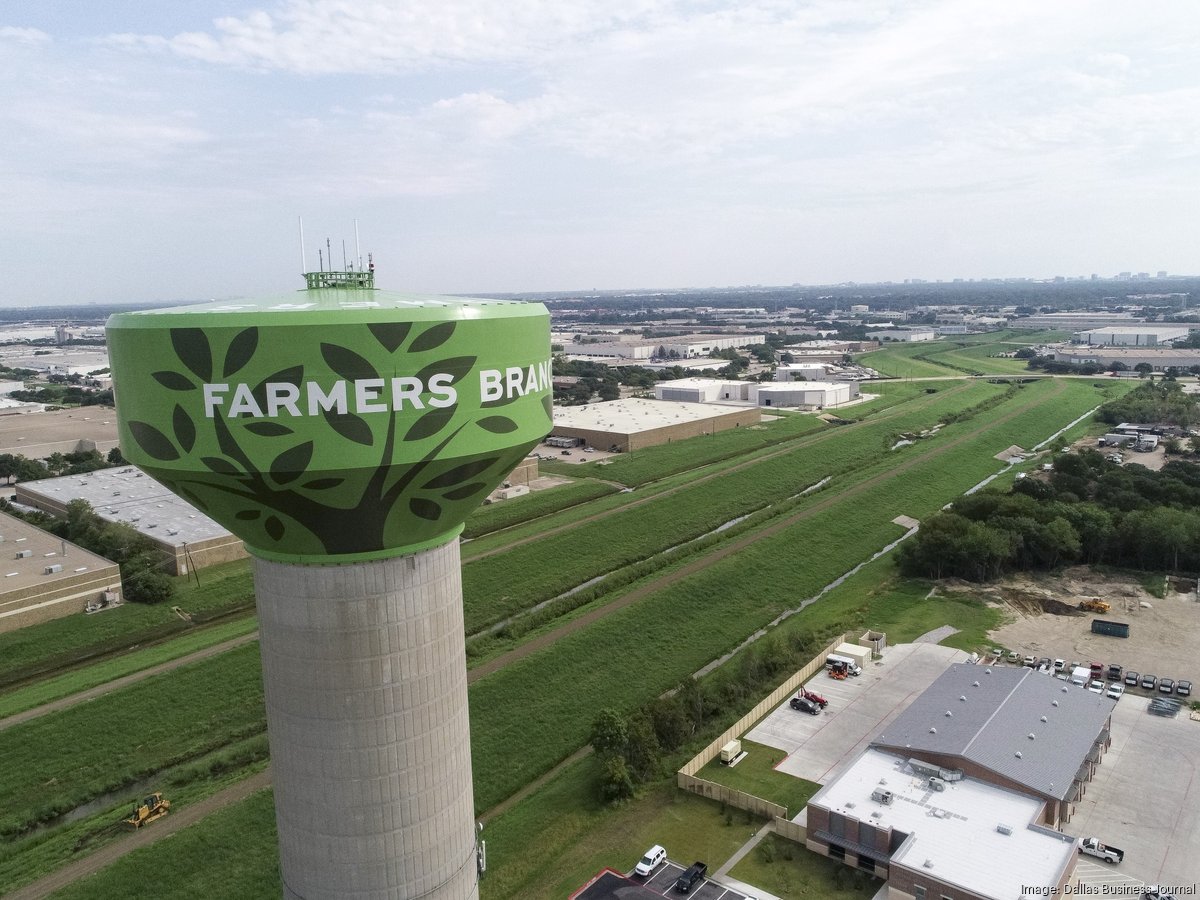
Farmers Branch Positioning Within the DFW Trade Show Landscape
Located amid the interconnected suburban fabric of the Dallas-Fort Worth metroplex, Farmers Branch serves as a practical vantage for overseeing exhibit programs that span multiple distinct corridors. The area connects efficiently to primary convention routes and secondary municipalities that collectively sustain demand for trade shows and corporate events. Planners benefit from treating each nearby district as operationally unique rather than interchangeable.
This suburban context supports targeted participation in events at facilities ranging from large-scale convention centers to specialized market halls and hotel ballrooms. Coordination involves assessing transit patterns between Farmers Branch and key nodes such as downtown Dallas, the Irving hospitality sector, and northern growth areas without presuming on-site capabilities in any single municipality.
Documentation covering thirty-five nearby markets underscores how locations like Farmers Branch, Carrollton, and Coppell contribute to realistic support for activation and dismantle cycles. The emphasis stays on strategic alignment with documented venue requirements to maintain compliance and efficiency across campaigns.
Downtown Dallas Convention Center Coordination Details
The Kay Bailey Hutchison Convention Center represents a primary downtown Dallas anchor where exhibitors must reference specific What to Expect guidelines, service partner rosters, utility provisions, and dock access protocols. Planning from Farmers Branch requires mapping precise timelines for material delivery and setup that respect these documented procedures to avoid disruptions in high-volume environments.
Service partner directories outline approved providers for various exhibit elements, while utilities documentation details power, internet, and structural specifications that custom stands must accommodate. Dock procedures further dictate loading sequences and equipment restrictions that differ markedly from smaller suburban venues.
Effective coordination treats this facility as distinct from neighboring clusters, ensuring booth designs incorporate flexibility for the center's scale and attendee density. Cross-referencing with Omni Dallas Hotel resources adds layers for hybrid conference and exhibit executions that frequently originate from or draw participants linked to the Farmers Branch corporate base.
Irving and Airport Corridor Operational Nuances
Irving functions as a dedicated airport-proximate cluster with its own event planning frameworks that emphasize smooth transitions between air travel and exhibit halls. Coordination resources highlight the value of aligning exhibit schedules with this corridor's documented hospitality and logistics patterns, particularly for shows that attract national attendees arriving through DFW Airport.
The Irving Event Planning Guide provides structured considerations for venue selection, attendee management, and vendor coordination that planners reference when preparing stands destined for this district. Differentiation from downtown Dallas emerges in shorter setup windows and emphasis on transient corporate traffic rather than multi-day public exhibitions.
From a Farmers Branch perspective, this creates opportunities for streamlined material movements that leverage the short distance while respecting cluster-specific service expectations. Such planning avoids overgeneralization by treating Irving's context as separate from both Arlington entertainment venues and Frisco's sports-adjacent facilities.
Arlington Entertainment District and Convention Strategies
Arlington maintains a distinct profile centered on its meetings and conventions infrastructure interwoven with sports and entertainment venues. Planning resources direct attention to how exhibit programs here often blend trade show elements with experiential activations that capitalize on the district's visitor traffic patterns.
Coordination involves adapting stand footprints and interactive components to suit facilities that serve both business conferences and larger public events. This differs operationally from the more industrial-scale docks and utilities found at the Kay Bailey Hutchison Convention Center or the market-focused setups at Dallas Market Hall.
For organizations connected to Farmers Branch, these distinctions guide decisions on material durability, graphic sizing, and dismantle sequencing that match Arlington's specific throughput expectations. Official convention resources provide the foundation for these tailored approaches.
Northern Suburban Clusters Including Frisco and Plano
Frisco and Plano represent accelerating northern DFW nodes where venues emphasize modern corporate and technology-driven events alongside sports-related activations. Visit Frisco venue documentation outlines a range of meeting and exhibition spaces that require stands designed for flexible configurations and high-end presentation standards.
These clusters operate with different labor rhythms and attendee demographics compared to southern or central districts, necessitating separate planning tracks. Coordination from Farmers Branch incorporates the relative proximity to these areas while addressing how their growth influences booking cycles and exhibit specifications.
Plano's corporate density pairs with Frisco's expanding infrastructure to create demand for sophisticated displays that integrate digital and physical elements. Resources stress reviewing each venue's individual guidelines to maintain operational precision across this differentiated northern corridor.
Material Handling, Utilities, and Dock Procedure Alignment
Across DFW clusters, material handling follows venue-specific dock and freight guidelines that directly impact planning for Farmers Branch-linked exhibitors. The Kay Bailey Hutchison Convention Center documentation on docks and utilities establishes clear parameters for inbound shipments, storage durations, and power requirements that must be incorporated into advance schedules.
Service partner lists further clarify approved channels for rigging, electrical, and audiovisual support, creating a framework that prevents last-minute adjustments. Similar attention to detail applies when shifting to smaller-scale facilities in Grapevine, Lewisville, or Mesquite where loading access may involve tighter constraints.
Successful coordination synthesizes these requirements into unified project timelines that respect each district's operational reality. This includes cross-checking Fashion Industry Gallery and Dallas Market Hall parameters when exhibits serve specialized industry segments within the larger DFW rotation.
Building Adaptive Exhibit Programs for Multi-Cluster Campaigns
Comprehensive DFW programs often span several clusters, requiring stands engineered for reconfiguration between downtown convention halls, Irving conference centers, and Frisco experiential venues. Planning emphasizes modular components that satisfy varying utility loads, ceiling heights, and audience interaction levels documented across the referenced facilities.
Resource-driven strategies incorporate the full recommended location list to optimize coverage without redundancy, treating Addison corporate events, Arlington conventions, and Fort Worth activations as separate tactical briefs. This prevents assumptions of uniformity while maximizing reach from a Farmers Branch vantage.
Long-term coordination also factors in seasonal demand signals across the thirty-five supported markets, enabling predictive budgeting and design iteration that align with each venue's exhibitor expectations and service ecosystems.
Questions buyers ask first
How does Farmers Branch fit into broader DFW trade show planning?
It operates as one of thirty-five municipalities that realistically support exhibit, conference, and activation demand across distinct venue corridors including downtown Dallas, Irving, Arlington, and Frisco, enabling targeted coordination without assuming uniform operations.
What resources should guide coordination at the Kay Bailey Hutchison Convention Center?
Official exhibitor guidelines covering what to expect, service partner directories, utility specifications, and dock procedures provide the necessary venue-backed framework for precise material handling and installation timelines.
Why treat Irving, Arlington, and Frisco as operationally distinct from downtown Dallas?
Each cluster maintains unique hospitality patterns, setup constraints, attendee profiles, and planning guides that influence booth design, logistics sequencing, and vendor alignment in ways that generic approaches cannot address effectively.
Which nearby locations complement Farmers Branch for regional exhibit coverage?
Recommended markets such as Addison, Carrollton, Grapevine, Bedford, Coppell, Lewisville, and Plano expand strategic options while respecting the differentiated contexts of airport, northern growth, and corporate hospitality nodes.
How are utility and dock requirements incorporated into DFW exhibit plans?
Coordination references documented specifications from major facilities like the Kay Bailey Hutchison Convention Center and supporting venues to align power needs, freight procedures, and service partners with each event's specific operational demands.
What differentiates planning for Dallas Market Hall versus larger convention centers?
Market Hall and the Fashion Industry Gallery emphasize industry-specific scales and audience interactions that require tailored stand footprints and material choices distinct from the infrastructure and throughput of primary convention facilities.
Related topics
Continue with the Dallas topics closest to the current scope.
Start here
Expo Stand Builders of Dallas
Full-service exhibit programs with design, fabrication, logistics, venue-aware planning, and show-floor accountability across Dallas-Fort Worth. Share the venue, dates, footprint, and the part of the scope that still needs to be solved.