
Locations / McKinney TX Trade Show Planning & DFW Exhibit Coordination
McKinney TX Trade Show Planning & DFW Exhibit Coordination
Strategic guidance for McKinney organizations participating in the Dallas-Fort Worth convention and exhibition ecosystem.
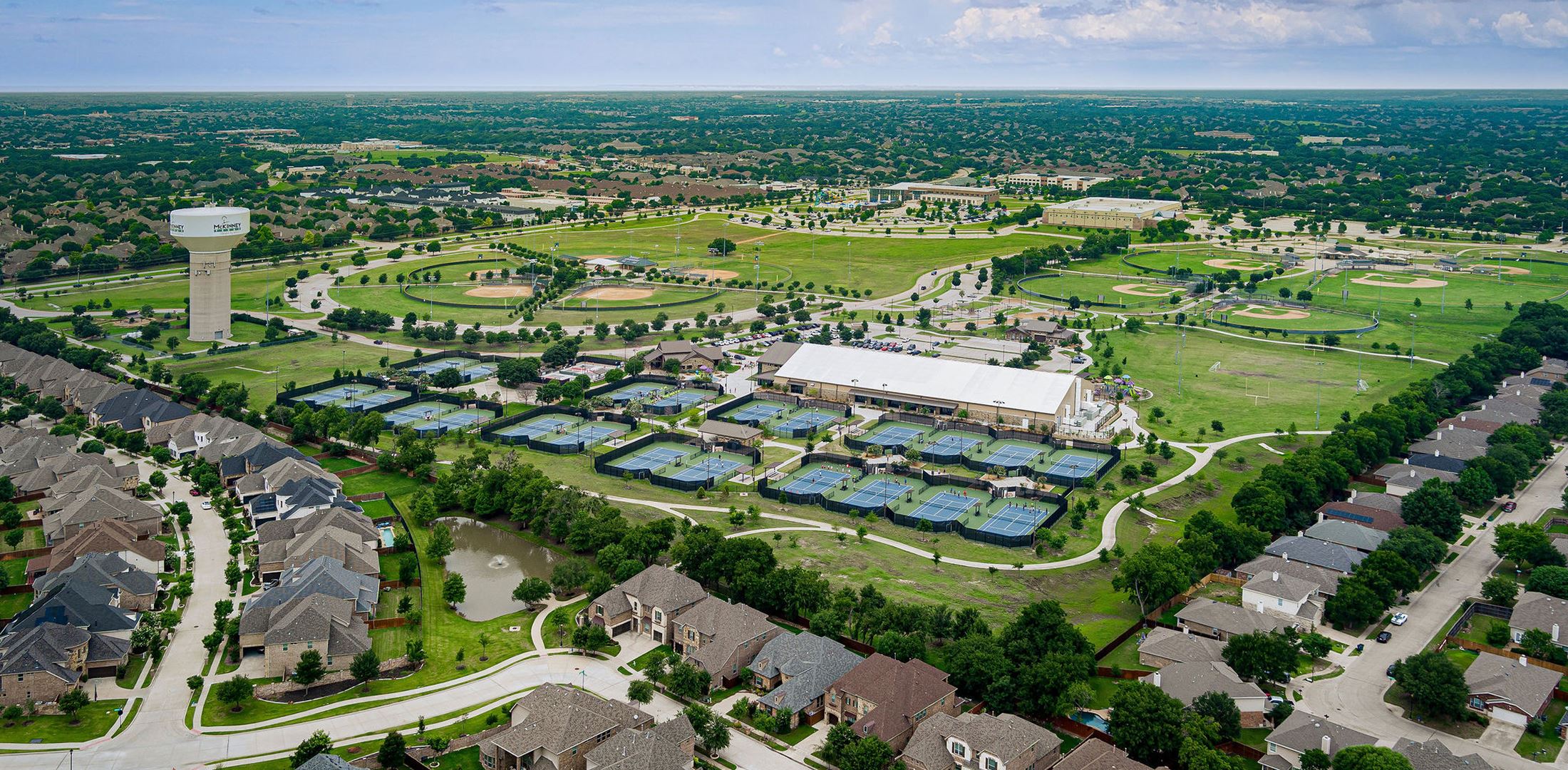
McKinney's Position Within the Broader DFW Exhibition Landscape
The city of McKinney functions as a northern extension of the Dallas-Fort Worth economic corridor, placing businesses in proximity to a dense concentration of convention activity without being situated directly inside the urban core. This geography supports participation in events hosted at the Kay Bailey Hutchison Convention Center, Dallas Market Hall, and facilities in neighboring communities such as Frisco and Plano. Planning therefore emphasizes alignment between McKinney corporate schedules and the distinct rhythms of these different venue environments, from high-volume national shows to more focused regional conferences.
Each cluster carries its own planning implications. Downtown Dallas venues often involve complex dock and freight management procedures, while suburban locations may prioritize hospitality integration and attendee flow from nearby hotels. Coordination resources help map these differences so that McKinney exhibitors can select appropriate exhibit scales, graphic approaches, and interaction elements that perform effectively in the chosen setting. Sources such as official convention center exhibitor documentation provide the foundation for these distinctions.
Long-term success for McKinney organizations involves building a progressive calendar that sequences participation across multiple DFW sites. This method allows for iterative improvements in booth performance, messaging consistency, and logistical precision. By treating the entire metroplex as an interconnected exhibition ecosystem rather than isolated events, companies can achieve economies of scale in design, fabrication planning, and program management.
The growth trajectory of McKinney as a business center further amplifies the importance of sophisticated trade show participation. Companies in technology, manufacturing, healthcare, and professional services regularly identify DFW events as primary venues for lead generation and competitive positioning, making early coordination a competitive advantage.
Navigating Kay Bailey Hutchison Convention Center Requirements from the North
The Kay Bailey Hutchison Convention Center stands as a cornerstone of DFW exhibition activity, with documented processes for exhibitors that cover service partners, utilities, dock operations, and general expectations. For organizations based in McKinney, planning begins months in advance by reviewing these published guidelines to ensure smooth integration of custom exhibits into the facility's operational framework. This includes understanding designated service partner directories and the specific protocols for material receipt and booth installation sequences.
Utility planning receives particular attention because the center maintains explicit specifications for electrical, internet, and plumbing connections that must be ordered through approved channels. Coordination involves matching booth design elements to these parameters so that lighting, digital displays, and interactive components function reliably throughout the show schedule. Official resources detail these provisions, allowing planners to avoid incompatibilities that could disrupt exhibit performance.
Dock and freight management forms another critical planning layer. The center publishes clear instructions regarding inbound and outbound material flow, time windows, and labeling requirements. McKinney exhibitors benefit from building these constraints into their overall program timeline, ensuring that transportation arrangements from northern locations synchronize with the venue's published load-in and load-out windows.
Service partner navigation further streamlines the process. By referencing the center's official listings of approved providers for various categories, planners can make informed selections that maintain compliance while supporting the intended visitor experience. This methodical approach reduces variables and allows McKinney organizations to concentrate on strategic elements such as messaging and audience engagement.
Custom Exhibit Design Strategies Suited to DFW Venue Diversity
Effective booth concepts for McKinney participants must respond to the operational realities of different DFW locations. Designs destined for the Kay Bailey Hutchison Convention Center often require modular components that accommodate large floor spaces and high foot traffic, while exhibits for more intimate venues in areas like Fashion Industry Gallery or specialized Frisco facilities may emphasize refined detailing and closer visitor interaction. The planning process therefore begins with clear definition of show objectives and venue characteristics.
Material selection plays a central role in successful coordination. Choices must support repeated use across multiple DFW events, facilitate efficient shipping from northern bases, and comply with venue regulations regarding flammability and structural integrity. Incorporating sustainable elements has become an increasingly relevant consideration as many regional shows highlight environmental responsibility in their exhibitor communications.
Technology integration requires careful forethought. Digital displays, interactive elements, and connectivity solutions must be specified according to each venue's utility and bandwidth capabilities. Planning documents from facilities such as the Dallas Convention Center provide the necessary parameters, enabling designers to create robust systems that perform consistently whether the event is held in downtown Dallas or a suburban conference setting.
Brand storytelling consistency across the DFW calendar strengthens overall program impact. Rather than creating entirely new exhibits for each show, coordination favors adaptable platforms that can be reconfigured with updated graphics or accessories to address different industry audiences while maintaining core visual identity.
Logistics and Material Flow Planning for Northern DFW Exhibitors
Coordinating the movement of exhibit components from McKinney to DFW venues demands precise scheduling that accounts for published dock procedures and advance shipping deadlines. Major facilities including the Kay Bailey Hutchison Convention Center maintain detailed instructions for inbound freight, labeling standards, and storage options that must be integrated into the overall program. Early planning prevents bottlenecks and supports smoother transitions between pre-show preparation and on-site activity.
Transportation decisions influence both cost and exhibit condition. Selecting carriers familiar with convention center protocols helps ensure that materials arrive within designated windows and sustain minimal handling damage. For McKinney organizations, this often involves calculating optimal shipment timing that balances warehouse departure with venue receiving schedules across multiple event sites.
Return logistics receive equal attention in comprehensive planning. Outbound procedures documented by each facility guide the dismantling and shipping phases, allowing for efficient recovery of assets for reuse or refurbishment. Building these cycles into the master calendar helps McKinney companies maintain exhibit inventories that remain fresh and cost-effective over successive DFW campaigns.
Ancillary elements such as literature, promotional items, and booth accessories require their own coordination streams. Integrating these into the primary material handling plan avoids fragmented shipping and reduces the administrative burden on internal teams responsible for event participation.
Building Effective Timelines Across the DFW Event Calendar
Successful McKinney participation in the DFW exhibition market depends on timelines that extend well beyond individual show dates. Planning typically begins six to twelve months prior for major conventions, allowing sufficient time for design approval, fabrication coordination, and regulatory compliance checks. This extended horizon accommodates the distinct planning cycles of venues such as those in Arlington, Irving, and Grapevine as well as primary Dallas facilities.
Critical milestones include initial concept reviews, renderings approval, material ordering, proofing of graphics, and rehearsal of presentation elements. By documenting these stages against the official calendars published by convention centers and visitor bureaus, McKinney organizations create accountability frameworks that keep programs on track despite competing internal priorities.
Contingency planning forms an important component of timeline development. Accounting for potential delays in shipping, last-minute venue changes, or adjustments to exhibit components helps maintain composure when unexpected variables arise. Resources drawn from established DFW planning guides emphasize the value of built-in review periods at each major stage.
Integration with broader corporate marketing initiatives further enriches the timeline. When trade show activity aligns with product launches, seasonal campaigns, or executive availability, the coordination process must synchronize multiple departments. This holistic view ensures that exhibit programs amplify rather than compete with other marketing channels.
Measuring Performance and Refining Future DFW Programs
Post-event evaluation completes the coordination cycle for McKinney exhibitors. Structured assessment against predefined objectives provides data that informs subsequent participation decisions across the DFW region. Metrics typically encompass lead volume and quality, audience engagement levels, competitive positioning feedback, and logistical efficiency observations.
The Kay Bailey Hutchison Convention Center and other major venues often supply exhibitor reports or post-show surveys that can be incorporated into internal analysis. Combining this venue-generated information with on-site observations creates a comprehensive picture of program effectiveness. Trends identified over multiple events help refine booth configurations, staffing models, and messaging frameworks.
Storage and asset management between shows represent another area for continuous improvement. Planning for appropriate off-season handling of custom components ensures they remain in optimal condition for future DFW deployments. This aspect of coordination contributes directly to long-term cost control and sustainability of the exhibit program.
Periodic review of the entire DFW participation strategy prevents stagnation. As new venues open, visitor demographics shift, or corporate priorities evolve, the planning resource must adapt. McKinney organizations that institutionalize this review process typically achieve higher returns on their exhibition investments over time.
Service Partner Coordination and Compliance Across DFW Venues
Each major DFW facility maintains its own directory of recommended or required service partners for categories ranging from electrical to rigging to cleaning. McKinney planners utilize these official listings to ensure full compliance while securing the necessary support services. This methodical selection process reduces risk and aligns operational elements with venue expectations.
Understanding the scope of responsibilities assigned to each partner helps prevent gaps in coordination. For example, the distinction between general service contractors and specialized providers for audiovisual or internet services requires clear definition during the planning phase. Official convention center documentation clarifies these relationships for exhibitors.
Budget implications of service partner decisions warrant careful analysis. While some choices are dictated by venue regulations, others allow for competitive selection within approved pools. Building these considerations into the master planning document enables more accurate forecasting and prevents surprise expenses during show execution.
Communication protocols with selected partners complete the compliance picture. Establishing clear channels for updates, approvals, and issue resolution before the show begins contributes to smoother operations across the diverse range of DFW venues that McKinney companies may target.
Questions buyers ask first
How does McKinney's location affect planning for DFW trade shows?
McKinney's northern position within the metroplex requires explicit integration of travel timing, freight scheduling, and venue-specific load-in windows into the master coordination plan. This ensures alignment with the distinct operational calendars of downtown Dallas, Frisco, Arlington, and other regional clusters.
What are the primary sources for official DFW venue requirements?
Exhibitors should consult published documentation from the Kay Bailey Hutchison Convention Center covering exhibitor guidelines, service partners, utilities, and dock procedures, along with resources from Visit Dallas, Visit Frisco, and Arlington Convention & Visitors Bureau planning guides.
How can McKinney companies maintain exhibit consistency across multiple venues?
Modular designs with adaptable graphic and accessory components allow for efficient reconfiguration while preserving brand standards. Planning documents should map core elements against the specific spatial and technical requirements of each target facility.
What role do service partner directories play in successful coordination?
Official directories published by venues such as the Dallas Convention Center identify approved providers for electrical, rigging, internet, and other categories. Following these listings ensures regulatory compliance and operational compatibility.
Related topics
Continue with the Dallas topics closest to the current scope.
Start here
Expo Stand Builders of Dallas
Full-service exhibit programs with design, fabrication, logistics, venue-aware planning, and show-floor accountability across Dallas-Fort Worth. Share the venue, dates, footprint, and the part of the scope that still needs to be solved.