
Locations / Exhibit Planning and Coordination Resources for Richardson, TX
Exhibit Planning and Coordination Resources for Richardson, TX
Strategic Guidance for Trade Show Success Across DFW Venues from Richardson
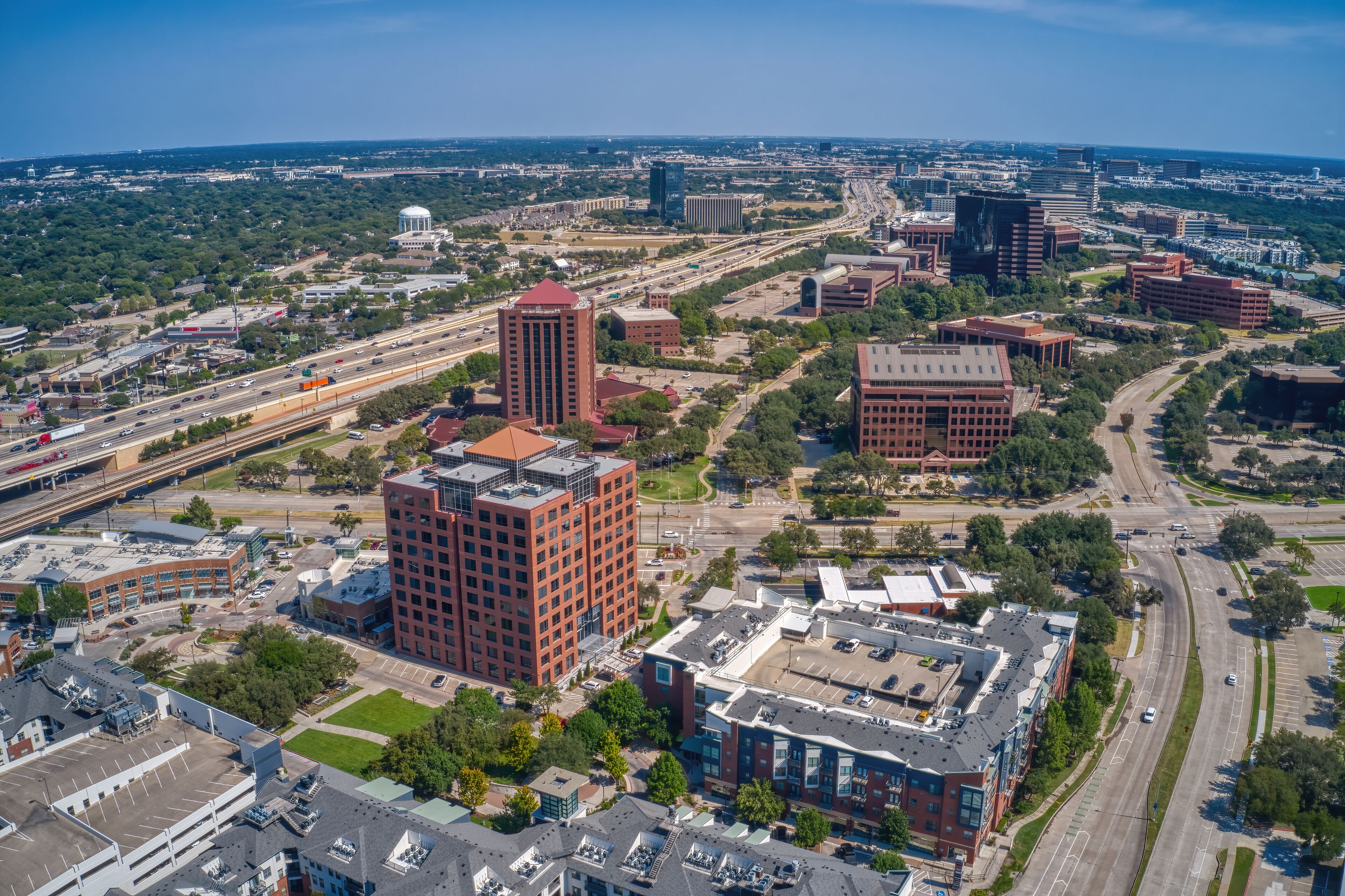
Richardson's Position Within the DFW Exhibition Corridor
As one of numerous recommended suburban locations in the Dallas-Fort Worth metroplex, Richardson connects companies to a network of convention facilities, hospitality nodes, and corporate event spaces that generate consistent exhibit demand. The surrounding municipalities, including Plano, Frisco, Allen, and Garland, form distinct operational districts with varying scale and audience profiles. Planning efforts therefore prioritize mapping these differences to select venues that best match industry needs and audience density.
Official market resources from neighboring cities such as Irving and Arlington underscore the importance of early alignment with regional event calendars. For Richardson-based organizations, this means integrating transportation planning with the documented procedures at flagship sites like the Kay Bailey Hutchison Convention Center. These steps ensure that freight movement, setup windows, and attendee flow remain synchronized across the chosen locations.
The broader DFW landscape includes airport approaches and secondary municipalities that realistically support Install and Dismantle activity. Coordination resources focus on these established corridors rather than isolated operations, helping exhibitors develop repeatable processes that scale across multiple shows while respecting each venue's individual infrastructure.
Custom Stand Design and Fabrication Coordination
Successful exhibits for Richardson-connected companies begin with design processes that translate brand priorities into functional booth environments suited to DFW event scales. Whether preparing for large convention halls or more targeted industry gatherings, the planning sequence incorporates 3D visualization, material specification, and iterative reviews to confirm the structure will perform across repeated uses.
Fabrication coordination emphasizes modularity to accommodate the differing spatial constraints found across DFW districts. A stand optimized for the open layouts of Dallas Market Hall may require adjustment for the more compact sessions typical of certain Frisco or Grapevine venues. This adaptability reduces redundant expenses while preserving visual impact and lead-generation potential.
Detailed planning documents help sequence graphic production, accessory sourcing, and technology integration so that all components arrive ready for efficient assembly. By treating design as a foundational element of the overall event strategy, exhibitors avoid last-minute alterations that can compromise both budget and performance metrics.
Logistics and Material Handling Best Practices
Material handling forms a core element of pre-event coordination, particularly for exhibitors originating from Richardson and navigating DFW traffic patterns toward major facilities. Established procedures at the Kay Bailey Hutchison Convention Center, including designated dock schedules and inbound freight protocols, require precise timing to prevent bottlenecks during peak move-in periods.
Planning resources reference official exhibitor documentation that outlines acceptable carrier practices, labeling standards, and storage options. For multi-event calendars common among Richardson corporations, centralized tracking of shipments across venues such as those in Irving or Arlington helps maintain inventory accuracy and reduces the risk of misplaced components.
Drayage and handling considerations extend beyond initial delivery to encompass post-show dismantle and return or repositioning logistics. By mapping these stages against venue-specific dock and utility facts, coordination teams create buffers that accommodate unforeseen delays while preserving overall project timelines.
Venue-Specific Requirements at Dallas Facilities
The Kay Bailey Hutchison Convention Center publishes comprehensive exhibitor resources detailing service partners, utility ordering, dock operations, and expected conduct. These materials serve as primary references for any coordination plan involving downtown Dallas events, ensuring that electrical, internet, rigging, and labor arrangements comply with current standards.
Nearby facilities such as Dallas Market Hall and the Fashion Industry Gallery present complementary operational contexts that reward targeted preparation. Planning guides stress the value of consulting each venue's latest documentation rather than assuming uniformity across the Metroplex, particularly when transitioning between large-scale conventions and more specialized showcases.
District-level differentiation becomes evident when comparing the infrastructure of downtown Dallas with suburban clusters in areas like Frisco or Grapevine. Richardson exhibitors benefit from planning approaches that catalog these variations in advance, allowing for tailored schedules, booth configurations, and support service selections.
Service Partner and Utility Coordination Frameworks
Official service partner directories maintained by major DFW venues streamline the acquisition of specialized support ranging from electrical services to audiovisual installations. Coordination resources stress the importance of ordering utilities and labor through approved channels to maintain compliance and avoid costly variances during show hours.
For events at the Kay Bailey Hutchison Convention Center, planning includes early submission of utility requests and confirmation of dock assignments well ahead of move-in. These steps integrate with broader timelines that also account for neighboring city venues referenced in regional planning guides from Arlington and Irving.
Effective oversight prevents misalignment between exhibit components and available infrastructure. By maintaining a checklist approach drawn from documented venue facts, exhibitors ensure that every technical requirement receives attention during the critical pre-show phase.
Budget Optimization and Performance Measurement
Trade show budgets for Richardson participants must account for design, fabrication, transportation, utilities, and post-event analysis across multiple DFW venues. Strategic planning identifies opportunities to deploy reusable modular components that maintain relevance while controlling long-term fabrication costs.
Performance tracking ties directly to pre-defined objectives established during initial coordination. Whether measuring lead volume at large conventions or engagement at targeted Frisco events, consistent metrics allow for data-driven refinements that improve ROI on subsequent participations.
By integrating cost projections with documented venue requirements, planning teams develop realistic forecasts that prevent overspending on non-essential elements. This disciplined approach supports sustained programs that evolve in response to both market conditions and specific exhibition outcomes.
Technology Integration Within DFW Exhibit Environments
Modern exhibits frequently incorporate interactive displays, digital signage, and connectivity solutions that resonate with audiences at DFW events. Coordination requires early verification that chosen technologies align with each venue's utility capabilities and power infrastructure as outlined in official exhibitor materials.
For Richardson organizations in technology-driven sectors, these elements can differentiate their presence at both major convention centers and specialized gatherings. Planning sequences therefore include technical rehearsals, bandwidth assessments, and contingency protocols to maintain functionality throughout show hours.
Successful integration ultimately supports higher engagement levels and more qualified lead capture. When combined with thoughtful booth layout and staff briefing, technology becomes a force multiplier within the competitive DFW exhibition landscape.
Questions buyers ask first
How does Richardson fit into DFW trade show planning?
Richardson functions as a recommended suburban location within the larger Dallas-Fort Worth exhibition network, providing practical access to primary convention corridors, airport approaches, and venue clusters in Dallas, Plano, Frisco, Irving, and surrounding cities.
What official resources should guide exhibit preparation?
Exhibitors should consult the Kay Bailey Hutchison Convention Center materials on exhibitor expectations, service partners, utilities, and docks, along with planning guides from Irving, Arlington, Frisco, and Visit Dallas venue listings.
When should coordination for DFW events begin?
Planning ideally commences 6 to 12 months prior to major shows to allow sufficient time for design validation, utility ordering, freight scheduling, and alignment with each venue's published procedures.
Are modular exhibits recommended for multiple Richardson-area events?
Yes, modular systems support efficient reconfiguration across differing DFW venue scales and layouts, reducing fabrication costs while preserving brand consistency for recurring participation.
How are service partners and labor handled at major venues?
Coordination follows each facility's official service partner directories and labor guidelines, with advance ordering of utilities and confirmation of dock access to maintain compliance and schedule integrity.
What differentiates planning for various DFW venue clusters?
Each cluster presents unique operational contexts, from the extensive dock and utility infrastructure at the Kay Bailey Hutchison Convention Center to the specialized requirements found at facilities in Frisco, Grapevine, and Irving.
Related topics
Continue with the Dallas topics closest to the current scope.
Start here
Expo Stand Builders of Dallas
Full-service exhibit programs with design, fabrication, logistics, venue-aware planning, and show-floor accountability across Dallas-Fort Worth. Share the venue, dates, footprint, and the part of the scope that still needs to be solved.