
Locations / Trade Show Exhibit Planning and Custom Booth Coordination for Southlake, TX
Trade Show Exhibit Planning and Custom Booth Coordination for Southlake, TX
Strategic guidance for Southlake organizations navigating DFW venue clusters with precise exhibit design, logistics, and operational alignment.
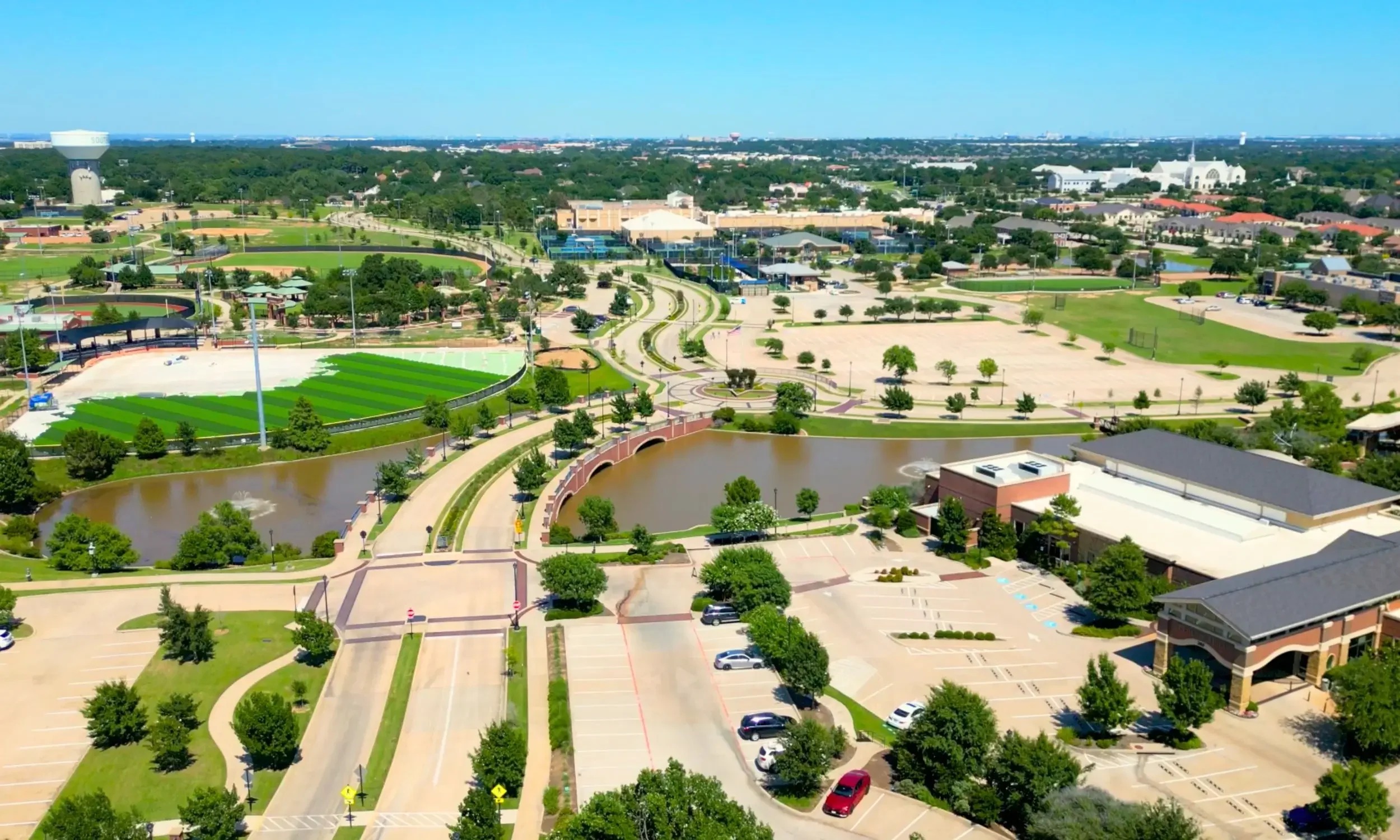
Southlake's Position Within the DFW Exhibition Landscape
Southlake functions as a strategic suburban corporate node that supports realistic demand for exhibits, conferences, activations, and Install and Dismantle activity throughout the Dallas-Fort Worth region. Its location provides measured access to primary venue corridors without the density of central business districts, allowing companies to coordinate participation in events spanning multiple municipalities. The surrounding infrastructure of highways and proximity to airport approaches enables more predictable transportation planning for exhibit materials destined for facilities in Dallas, Fort Worth, or neighboring clusters.
The DFW market covers convention-center cities, hospitality nodes, and secondary suburban areas that collectively generate consistent exhibition opportunities. Southlake organizations benefit from this diversity by selecting events that align with industry sectors prominent in technology, healthcare, consumer markets, and professional services. Planning begins with recognizing that each nearby city maintains its own character, from large-scale conventions in downtown Dallas to specialized gatherings in northern suburbs, requiring tailored coordination rather than uniform tactics.
By focusing on these geographic and operational realities, Southlake exhibitors can prioritize precision in scheduling, design adaptability, and resource allocation. Official market resources from Visit Dallas, Arlington.org, and Visit Frisco underscore the breadth of venues available, reinforcing the need for advance coordination to navigate the full spectrum of DFW demand drivers.
Differentiating Distinct Venue Clusters Accessible from Southlake
DFW venue clusters demand individualized planning approaches due to variations in scale, audience demographics, facility rules, and supporting infrastructure. Downtown Dallas, centered on the Kay Bailey Hutchison Convention Center, typically accommodates high-volume national events with extensive dock operations, utility provisions, and published exhibitor expectations. Materials must align with documented procedures for advance shipping, on-site handling, and service partner utilization to avoid disruptions.
Grapevine and Irving clusters emphasize hospitality-integrated activations and tourism-related conferences, often tied to hotel properties and mid-sized exhibition spaces that prioritize smooth guest experiences. Arlington presents a distinct entertainment and sports-adjacent context, where events blend conventions with regional attractions, necessitating booth designs that perform under varied traffic flows. Northern clusters in Plano and Frisco focus on corporate and technology-driven programs with venues geared toward professional networking and product demonstrations in more contained environments.
Fort Worth maintains separate operational rhythms influenced by its distinct civic and cultural venues, while secondary nodes like Addison and Carrollton support boutique activations. For Southlake planners, these distinctions translate into concrete decisions about booth footprint, technology integration, storage needs, and staffing models. Cross-referencing resources such as the Irving Event Planning Guide and Dallas Convention Center exhibitor pages ensures alignment with actual facility capabilities and limitations.
This cluster-specific lens prevents mismatched expectations and supports more effective coordination from Southlake's suburban base to each event's unique setting.
Custom Exhibit Design and Fabrication Planning
Custom booth development for Southlake exhibitors starts with mapping event objectives against the operational profile of the chosen DFW cluster. Designs must balance visual impact with practical considerations such as shipping durability, assembly efficiency, and compliance with venue height or electrical constraints. Fabrication timelines should synchronize with documented deadlines published by facilities like the Kay Bailey Hutchison Convention Center to ensure materials arrive ready for professional installation.
Nuanced elements including lighting schemes, digital engagement tools, modular components, and brand-specific graphics require iterative review to maintain consistency across multiple shows. Southlake companies often favor designs that project premium positioning consistent with the city's corporate character while remaining adaptable for venues ranging from expansive convention halls to more intimate Frisco or Addison spaces.
Coordination resources stress early conceptualization to allow for material testing, rendering approvals, and contingency adjustments. This proactive stance reduces on-site surprises and helps exhibits deliver targeted messaging that resonates with DFW-specific attendee expectations across different industry verticals.
The goal remains creating displays that function as strategic business tools rather than one-off constructions, supporting repeated use across the recommended DFW location network.
Logistics Coordination and Material Transportation
Transportation planning from Southlake leverages the metroplex's airport approaches and major highway systems to maintain tight schedules for exhibit delivery. Venues such as the Dallas Convention Center publish specific dock locations, receiving hours, and advance warehouse instructions that must be incorporated into any timeline. Southlake's relative proximity to DFW International Airport offers advantages for air-freighted components or last-minute additions, provided all documentation and labeling follow exact carrier and facility protocols.
Installation and dismantle phases require synchronized handoffs between fabricators, carriers, and show floor staff. Detailed checklists addressing crate inventories, tool requirements, and supervision ratios help maintain control throughout these labor-intensive periods. Understanding peak traffic patterns around Arlington, Irving, or downtown Dallas further refines departure windows from Southlake to prevent costly delays.
Effective coordination also includes return shipping strategies and storage options between events. By treating logistics as an integrated element of the overall plan, Southlake exhibitors minimize variables that could impact budget or performance at subsequent shows in Frisco, Grapevine, or Fort Worth.
Venue Regulations, Utilities, and Service Partner Alignment
Each DFW venue maintains explicit rules regarding utilities, rigging, internet services, and authorized providers. The Kay Bailey Hutchison Convention Center offers dedicated exhibitor portals detailing electrical capacities, plumbing options, dock assignments, and an official list of service partners required for certain tasks. Compliance with these guidelines prevents unexpected surcharges or operational halts during critical setup windows.
Irving's event planning materials and Arlington convention resources similarly highlight the need for pre-approval on booth elements that interface with facility infrastructure. Southlake planners benefit from reviewing these documents during initial budgeting to accurately forecast all related expenses. Service partner selection should be driven by the target venue's approved roster rather than external preferences.
This disciplined approach to regulations supports smoother activations whether at Dallas Market Hall, Fashion Industry Gallery, or larger convention facilities. Coordination as an authoritative resource involves translating these venue-backed requirements into actionable steps that Southlake teams can implement systematically.
Budget Development, ROI Tracking, and Multi-Event Strategy
Comprehensive budgeting for Southlake exhibitors integrates design, fabrication, logistics, venue services, staffing, and measurement into a unified framework. Costs vary meaningfully across clusters, with downtown Dallas events typically requiring larger footprints and more technical support than suburban corporate shows in Plano or Frisco. Early allocation reviews using data from prior DFW participation help refine projections and identify efficiencies such as reusable modular components.
ROI evaluation extends beyond lead counts to include qualitative factors like brand exposure within specific venue contexts and the quality of connections made at hospitality-focused Grapevine events versus high-volume Dallas conventions. Post-event debriefs that reference official metrics from each facility enable data-driven adjustments for future cycles.
Longer-term strategies often center on developing a core exhibit system configurable for multiple municipalities covered in the DFW location network. This method amortizes investment while maintaining the flexibility required by differing operational contexts, ensuring Southlake organizations sustain consistent presence across annual trade show calendars.
Strategic coordination ultimately transforms isolated events into a progressive program that leverages the full range of exhibition opportunities available throughout the region.
Implementation Timeline and Pre-Event Preparation Checklist
Successful execution from Southlake follows a structured timeline that begins 9 to 12 months prior to major DFW conventions. Initial phases focus on venue selection, goal setting, and preliminary design concepts informed by the distinct characteristics of each cluster. Mid-stage activities center on fabrication approvals, carrier bookings, and service partner contracts aligned with published exhibitor manuals.
The final 90 days emphasize confirmation of all dock reservations, utility orders, and staffing logistics while monitoring for updates from facilities like the Kay Bailey Hutchison Convention Center. Checklists should verify compliance with every documented requirement to eliminate last-minute adjustments that disrupt budgets or outcomes.
This methodical preparation respects the operational complexity of the DFW market and positions Southlake exhibitors for consistent results across repeated participation in Arlington, Irving, Grapevine, and beyond.
Questions buyers ask first
How does Southlake connect to major DFW trade show venues?
Southlake provides efficient highway and airport access to distinct clusters including downtown Dallas with the Kay Bailey Hutchison Convention Center, Grapevine hospitality venues, Arlington entertainment facilities, and northern corporate nodes in Plano and Frisco.
What resources should Southlake exhibitors consult for venue rules?
Review official exhibitor pages for the Kay Bailey Hutchison Convention Center covering utilities, docks, service partners, and what to expect, alongside planning guides from Irving, Arlington, and Frisco for cluster-specific operational details.
When should planning begin for exhibits targeting DFW events?
Initiate coordination 9 to 12 months in advance for large conventions to accommodate design, fabrication, logistics aligned with venue deadlines, and differentiation across Dallas, Fort Worth, and suburban clusters.
How do venue clusters differ in operational requirements?
Downtown Dallas emphasizes large-scale docks and utilities, Grapevine and Irving focus on hospitality integration, Arlington blends entertainment with conventions, while Plano and Frisco prioritize corporate networking environments, each requiring tailored planning.
What elements should a Southlake trade show budget include?
Account for custom design, fabrication, transportation via regional airport approaches, venue-specific services, installation coordination, staffing, and post-event measurement to accurately reflect costs across different DFW clusters.
Is a single exhibit design suitable for all DFW venues?
Modular or adaptable designs perform best given the operational distinctions between clusters. Custom elements should be configured to meet the scale, audience, and technical specifications of each target facility from Kay Bailey Hutchison to smaller suburban venues.
Related topics
Continue with the Dallas topics closest to the current scope.
Start here
Expo Stand Builders of Dallas
Full-service exhibit programs with design, fabrication, logistics, venue-aware planning, and show-floor accountability across Dallas-Fort Worth. Share the venue, dates, footprint, and the part of the scope that still needs to be solved.